Pennsylvania's Occupational Limited License allows personal driving to work, but your CDL remains suspended until full reinstatement. Most CDL holders discover this only after their employer rejects the OLL documentation.
The Personal-Vehicle OLL Does Not Restore Your CDL
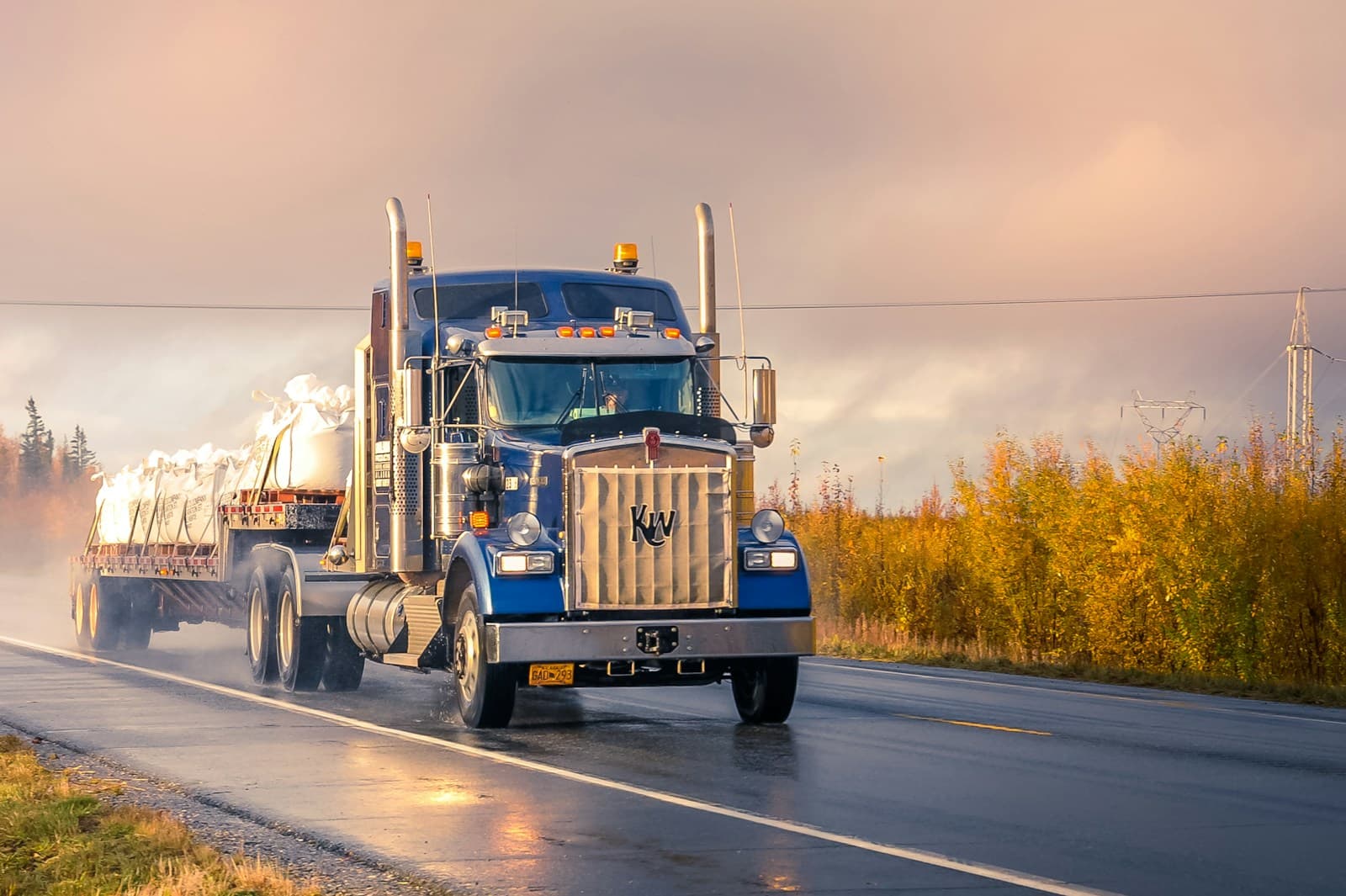
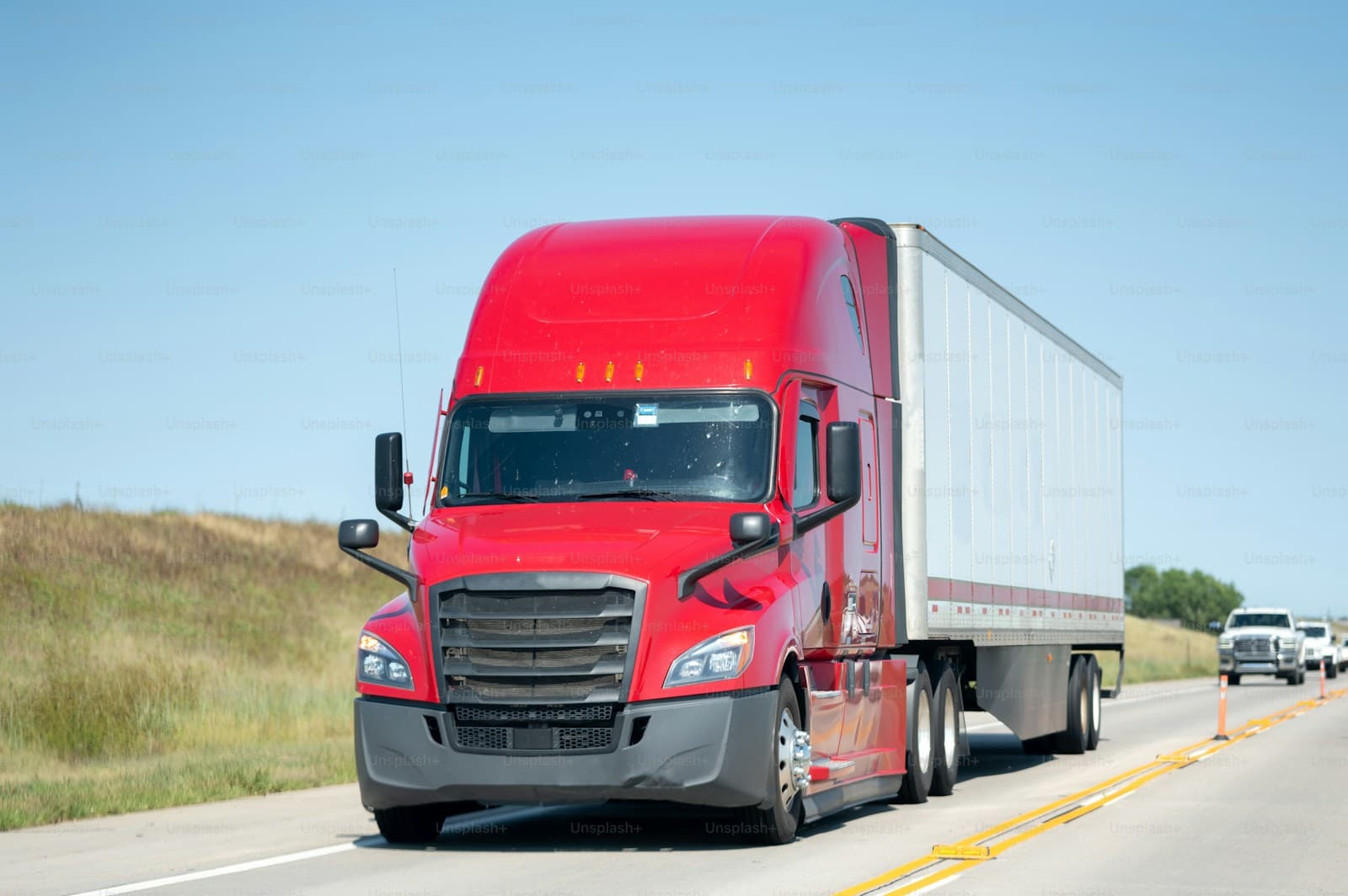
Pennsylvania's Occupational Limited License permits you to drive your personal vehicle to and from work, to medical appointments, and for other court-approved purposes. It does not restore your Commercial Driver's License. If your job requires operating commercial vehicles — trucks, buses, delivery vans classified as CMVs under federal DOT regulations — the OLL cannot be used for those duties. You can drive your sedan to the warehouse, but you cannot drive the delivery truck once you arrive.
This creates a functional employment trap for CDL holders whose suspension stems from a personal-vehicle DUI. The court may grant you an OLL for personal driving, but your employer cannot legally assign you to commercial routes until your full CDL is reinstated through PennDOT. Most CDL employers will not retain drivers who cannot perform commercial duties, even if the driver can commute to the facility.
The OLL and CDL restoration pathways are governed by separate systems. The OLL is a court-issued restricted license under 75 Pa.C.S. § 1553. CDL reinstatement is a PennDOT administrative process governed by federal FMCSA regulations and 49 CFR Part 383. Court approval of your OLL petition does not trigger or accelerate PennDOT's CDL restoration timeline.
Why PA's Dual-System Suspension Structure Creates This Gap
Pennsylvania operates two parallel suspension frameworks that can affect the same driver simultaneously. Administrative suspensions are issued by PennDOT's Bureau of Driver Licensing for insurance lapses, chemical test refusals, and certain point accumulations. Judicial suspensions are imposed by courts following DUI convictions and certain criminal offenses. These two tiers run concurrently or consecutively depending on the triggering offense.
For CDL holders, a personal-vehicle DUI conviction typically triggers both a judicial suspension from the court (addressed through the OLL petition process) AND a separate administrative CDL disqualification from PennDOT (which the OLL cannot touch). The disqualification is federally mandated under 49 CFR 383.51 and applies regardless of whether the DUI occurred in a commercial or personal vehicle. First-offense DUI disqualifies your CDL for one year. Refusing a chemical test disqualifies it for one year. A second lifetime DUI disqualifies it permanently.
The OLL petition addresses only the judicial suspension component. It does not lift, modify, or interact with the federal CDL disqualification period. This is the procedural gap most CDL holders discover only after their OLL is granted and their employer's HR department rejects the documentation.
Compare car insurance rates in your state
Get quotes from licensed carriers — no obligation, no spam, results in minutes.
Get Your Free Quote✓ No Obligation Required✓ Licensed Carriers Only✓ Available Nationwide✓ Free to Compare
What an OLL Actually Permits for CDL Holders
The Occupational Limited License restricts you to personal-vehicle driving for court-approved purposes. Typical approved purposes include driving to and from work, attending medical appointments, transporting dependents to school or childcare, attending court-ordered programs like DUI education or alcohol highway safety school, and fulfilling religious obligations. The court defines your approved routes, hours, and purposes in the OLL order itself.
You may drive your personal car, truck, or motorcycle to your employer's facility during the hours the court specifies. Once you arrive, you cannot operate any vehicle classified as a commercial motor vehicle under 49 CFR 383.5: vehicles with a gross vehicle weight rating of 26,001 pounds or more, vehicles designed to transport 16 or more passengers including the driver, or vehicles transporting hazardous materials requiring placards. This prohibition is federal, not state-specific, and applies regardless of what the court's OLL order says.
If your job involves both commercial and non-commercial duties, the OLL permits only the non-commercial portion. For example, a warehouse forklift operator who also drives delivery routes can use the OLL to commute to the warehouse and operate the forklift (if it is not a CMV), but cannot drive the delivery truck. Most employers in CDL-dependent industries will not restructure job duties to accommodate this split, particularly in right-to-work environments.
The Ignition Interlock Limited License Alternative
Pennsylvania offers a second restricted-driving program specifically for DUI offenders: the Ignition Interlock Limited License, issued by PennDOT (not a court) under 75 Pa.C.S. § 3805. The IILL is available after the mandatory hard suspension period expires and requires installation of an ignition interlock device on every vehicle you operate, SR-22 financial responsibility certification, and applicable PennDOT fees.
The IILL is PennDOT-administered, but it also does not restore CDL privileges. Like the OLL, the IILL permits personal-vehicle driving for approved purposes — commuting, medical appointments, DUI program attendance — but cannot be used to operate commercial vehicles. The federal CDL disqualification runs independently of both the OLL and IILL programs and must be fully served before PennDOT will consider CDL reinstatement.
For DUI-suspended CDL holders, the IILL is often the more accessible option because it does not require filing a court petition or demonstrating occupational necessity to a judge. You apply directly through PennDOT after your hard suspension expires, install the IID on your personal vehicle, maintain SR-22 coverage, and comply with the monthly IID reporting requirements. This path still does not restore your commercial driving authority, but it provides personal mobility without court involvement.
Full CDL Reinstatement: What It Actually Takes
Restoring your Commercial Driver's License after a DUI-triggered disqualification requires completing the federal disqualification period, resolving the underlying suspension through PennDOT (which includes completing Pennsylvania's Alcohol Highway Safety School and paying all restoration fees), maintaining SR-22 financial responsibility certification for three years following reinstatement, and retaking the CDL knowledge and skills tests.
PennDOT's restoration fee is $50 for the base driver's license, but CDL reinstatement often involves additional fees for the commercial endorsement itself and the required retesting. The knowledge test fee is $36. The skills test fee varies by testing provider but typically runs $150 to $300 depending on the vehicle class being tested. You must schedule and pass both tests before PennDOT will issue a new CDL — the federal disqualification wipes your previous CDL record clean, requiring a full re-licensure process.
SR-22 certification must be in place before PennDOT will process your reinstatement application and must remain active for three years post-reinstatement. If your SR-22 policy lapses or is cancelled during that period, PennDOT will automatically re-suspend your license. For CDL holders, this means maintaining continuous SR-22 coverage on a personal vehicle even if you do not own one (through a non-owner SR-22 policy) or on the commercial vehicle your employer assigns you once reinstated. Many commercial carriers exclude SR-22-required drivers from their fleets entirely, which creates a secondary employment barrier even after full reinstatement.
SR-22 Insurance for OLL-Restricted CDL Holders
Pennsylvania requires SR-22 financial responsibility certification for DUI-suspended drivers seeking an Occupational Limited License. The SR-22 is not a separate insurance policy — it is a certification filed by your insurer with PennDOT confirming that you carry at least Pennsylvania's minimum liability limits: $15,000 per person for bodily injury, $30,000 per accident for bodily injury, and $5,000 for property damage.
If you own a personal vehicle, your standard auto liability policy can be endorsed with SR-22 filing. If you do not own a vehicle but need an OLL to commute, you need a non-owner SR-22 policy. Non-owner policies provide liability coverage when you drive vehicles you do not own (rental cars, borrowed vehicles, employer-provided non-commercial vehicles for commute purposes). Premiums for non-owner SR-22 policies in Pennsylvania typically range from $40 to $90 per month, depending on your DUI tier, age, and county.
The SR-22 filing itself costs $25 to $50 as a one-time carrier processing fee. PennDOT does not charge a separate SR-22 filing fee, but the $50 license restoration fee applies when you later transition from the OLL to full reinstatement. Your SR-22 obligation runs for three years from the date of reinstatement, not from the date the OLL is granted — most CDL holders will carry SR-22 coverage continuously from OLL approval through the federal disqualification period and into the three-year post-reinstatement monitoring window.
What Happens If You Drive Commercially on an OLL
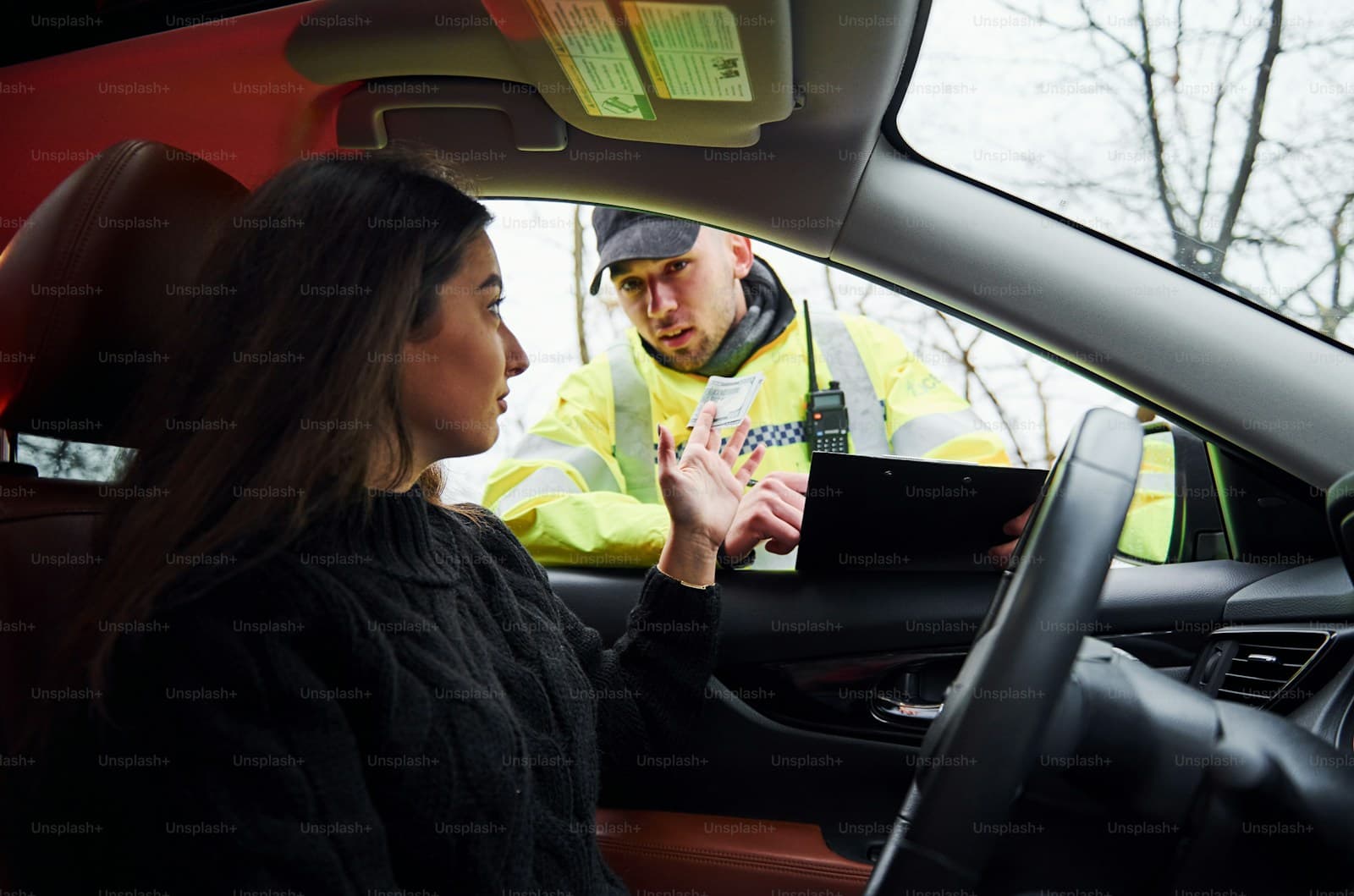
Operating a commercial motor vehicle while your CDL is disqualified is a federal violation under 49 CFR 383.51 and a state violation under Pennsylvania's commercial driving statutes. If stopped, you will be cited for driving without a valid CDL, your OLL will likely be revoked by the court for violating its terms, and your employer will face federal penalties for allowing an unqualified driver to operate a CMV.
Pennsylvania courts treat OLL violations seriously. The OLL is a privilege granted on the condition that you comply strictly with the court's order. Driving outside approved hours, routes, or vehicle types is grounds for immediate revocation. Once revoked, you cannot re-apply for an OLL for the remainder of the suspension period — you lose both the restricted license and the path to personal mobility until full reinstatement becomes available.
Employers who allow disqualified drivers to operate commercial vehicles face FMCSA penalties starting at $2,750 per violation, suspension of their DOT operating authority, and potential criminal liability if the violation results in injury or property damage. Most commercial carriers audit driver qualification files regularly and will terminate drivers whose CDL status does not match assigned duties, even if the driver holds an OLL for personal commuting.