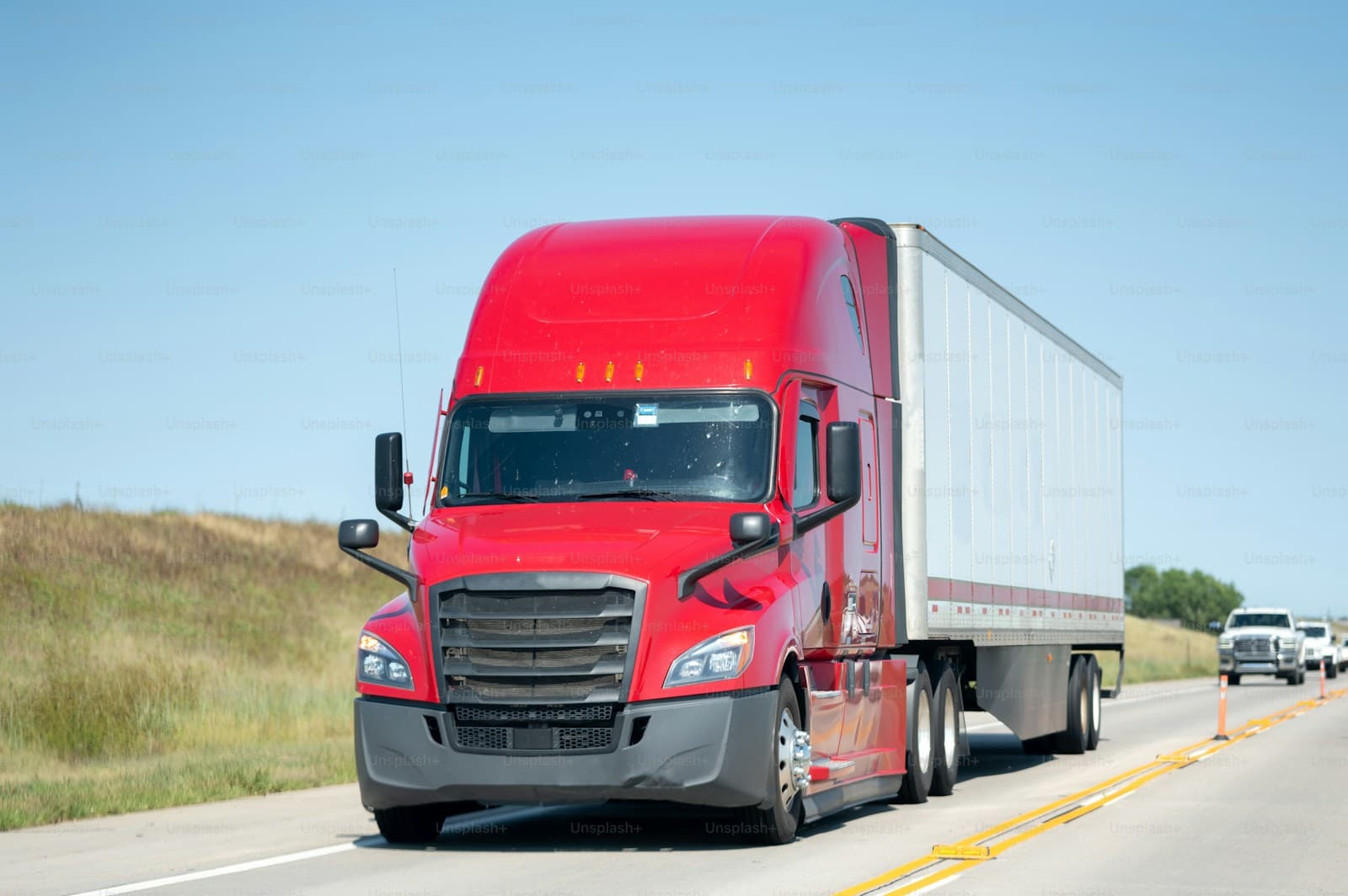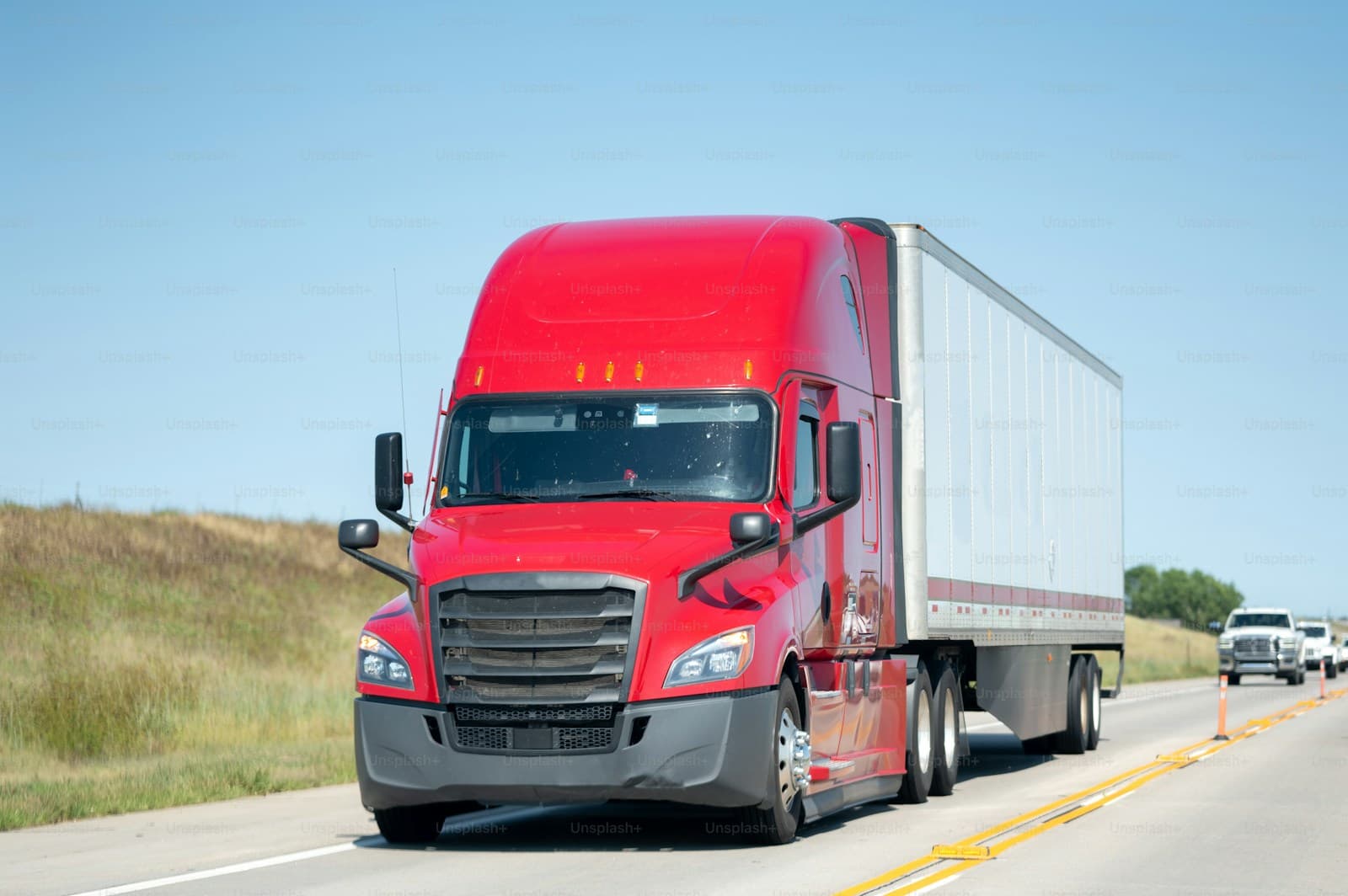
Most states issue work-restricted licenses for commuting to and from work, but commercial driving is explicitly excluded. CDL holders can drive their personal vehicle to the job site, but cannot operate commercial equipment under hardship authority.
What Work-Restricted Licenses Actually Authorize for CDL Holders
A work-restricted license allows you to drive your personal vehicle to and from your workplace. It does not authorize operation of commercial motor vehicles, even if your job requires driving a CMV during your shift.
Texas issues an Occupational Driver License that permits commute to work, travel during work hours for employment purposes, and essential household duties. The restriction is vehicle class, not purpose. You can drive your pickup truck to the job site at 6 a.m., but you cannot drive the company semi once you arrive, even though your employer hired you to drive that semi.
This creates an impossible bind for CDL holders whose jobs require commercial driving. The hardship license gets you to work legally, but it does not restore your ability to perform the job. Most CDL holders facing suspension discover this gap only after paying the application fee and receiving the restricted license with the commercial-exclusion clause printed on the back.
Why Commercial Operation Is Excluded Even When the Job Depends on It
Federal Motor Carrier Safety Administration regulations prohibit commercial operation under restricted state authority. A CDL suspension triggers a federal disqualification from operating commercial vehicles, and state hardship programs cannot override federal rules.
When your state DMV suspends your CDL after a DUI in your personal vehicle, the suspension applies to both your personal driving privilege and your commercial driving privilege. The federal disqualification follows the CDL suspension automatically. A state-issued work permit restores limited personal driving authority, but it does not lift the federal commercial disqualification.
Employers who allow CDL holders to operate commercial vehicles under hardship licenses expose themselves to federal enforcement action. The driver faces criminal charges for operating without a valid CDL. The employer faces FMCSA violations, potential loss of operating authority, and civil liability if an incident occurs. No legitimate motor carrier will accept a hardship license as proof of CDL authority.
Compare car insurance rates in your state
Get quotes from licensed carriers — no obligation, no spam, results in minutes.
Get Your Free Quote✓ No Obligation Required✓ Licensed Carriers Only✓ Available Nationwide✓ Free to Compare
What the Commute-Only Restriction Means for Transportation Jobs
If you drive a delivery truck, operate heavy equipment, or work as a commercial driver, the hardship license allows you to commute to the job site in your personal vehicle but does not permit you to perform the driving duties your employer hired you for.
Some CDL holders retain employment by shifting to non-driving roles temporarily. A delivery driver might work the warehouse dock until reinstatement. A concrete mixer operator might assist ground crews without operating equipment. These arrangements depend on employer willingness and available non-driving work.
Most motor carriers cannot retain drivers who lose CDL authority. Insurance underwriters exclude suspended drivers from commercial fleet policies. Dispatch systems flag disqualified operators. The hardship license does not solve the employment problem for jobs that require commercial driving during work hours.
The Personal-Vehicle Commute Path and What It Requires
Applying for a work-restricted license as a CDL holder requires the same documentation as any other applicant: employer verification letter, proof of employment need, court order or suspension notice, application fee, and SR-22 certificate of financial responsibility.
The employer letter must state your work address, shift hours, and commute route. Some states require the employer to confirm that your job does not require commercial driving during the restricted period. Texas requires this acknowledgment explicitly on the ODL application form. Your employer must sign a statement confirming you will not operate commercial vehicles under the hardship authority.
Processing timelines vary by state. Texas processes Occupational Driver License applications within 10 business days after the hearing. Georgia issues Limited Driving Permits within 7 business days if all documentation is complete. Florida processes Business Purpose Only applications within 5 business days. You cannot drive legally during the processing window unless you hold valid personal driving authority from another state.
What Happens When You Operate Commercially Under Hardship Authority
Driving a commercial vehicle under a work-restricted license is not a minor violation. Most states classify it as a felony-level offense because it involves operating a commercial vehicle without valid authority after a disqualifying event.
Texas treats CDL operation under an ODL as a Class A misdemeanor for the first offense, carrying up to one year in jail and a $4,000 fine. A second offense elevates to a state jail felony. The hardship license is revoked immediately upon arrest. The underlying suspension period extends, and reinstatement eligibility resets.
Federal enforcement adds a separate layer. FMCSA can impose civil penalties against the driver and the motor carrier. The driver's federal disqualification period extends. The carrier faces DOT audits, safety rating downgrades, and potential suspension of operating authority. Insurers deny claims when the driver lacked valid authority at the time of the incident.
CDL Reinstatement Timeline and the Gap Period Strategy
Full CDL reinstatement requires completing the underlying suspension period, satisfying all court-ordered conditions, paying reinstatement fees, and filing SR-22 for the required duration. Most DUI-related CDL suspensions carry a one-year disqualification for the first offense.
During the gap period between suspension and reinstatement, the work-restricted license allows you to commute in your personal vehicle but does not restore commercial driving authority. Some CDL holders use this period to complete DUI education programs, maintain employment in non-driving roles, and prepare for reinstatement.
After the disqualification period ends, you must reapply for CDL authority. Most states require CDL holders to retake the knowledge and skills tests after a DUI-related suspension. The medical certificate must be current. The SR-22 filing must remain active for the full required period, typically three years from the conviction date. Missing any of these steps delays reinstatement and extends the period during which you cannot work in your CDL-required job.
Insurance Requirements for Personal-Vehicle Hardship Driving
Work-restricted licenses require SR-22 filing in most states. The SR-22 certificate proves you carry at least state minimum liability coverage on the vehicle you will drive under hardship authority.
CDL holders must file SR-22 on their personal vehicle, not on commercial equipment. The filing applies to the vehicle listed on the hardship application. If you drive your personal truck to work, the SR-22 must cover that truck. Premiums for SR-22 policies after a DUI suspension typically range from $140 to $240 per month, depending on your state, age, and prior insurance history.
Some CDL holders do not own a personal vehicle and use non-owner SR-22 policies. A non-owner SR-22 provides liability coverage when you drive a borrowed or rented vehicle. Non-owner policies cost less than standard policies because they exclude collision and comprehensive coverage. Monthly premiums typically range from $60 to $110 per month. The policy must remain active for the entire SR-22 filing period, not just the hardship license duration.