New York calls it a Restricted Use License, but many drivers don't realize DMV has broad discretion to deny your application even when you meet the technical eligibility criteria. Here's what actually determines approval and what you need before you walk into the DMV office.
What New York's Restricted Use License Actually Allows You to Do
A New York Restricted Use License permits driving to and from work, school, medical appointments, and other DMV- or court-approved essential activities during your suspension period. It is not general-purpose driving. You cannot use it for errands, social visits, or any trip that falls outside your approved purposes.
The DMV defines your approved purposes at the time of issuance based on your submitted documentation. Your employer's verification letter must specify your work address, your work hours, and whether your job requires driving during work hours. If your job involves driving as part of your duties—delivery, sales calls, client visits—that must be documented separately and approved explicitly. Most Restricted Use Licenses cover commute only, not on-the-job driving.
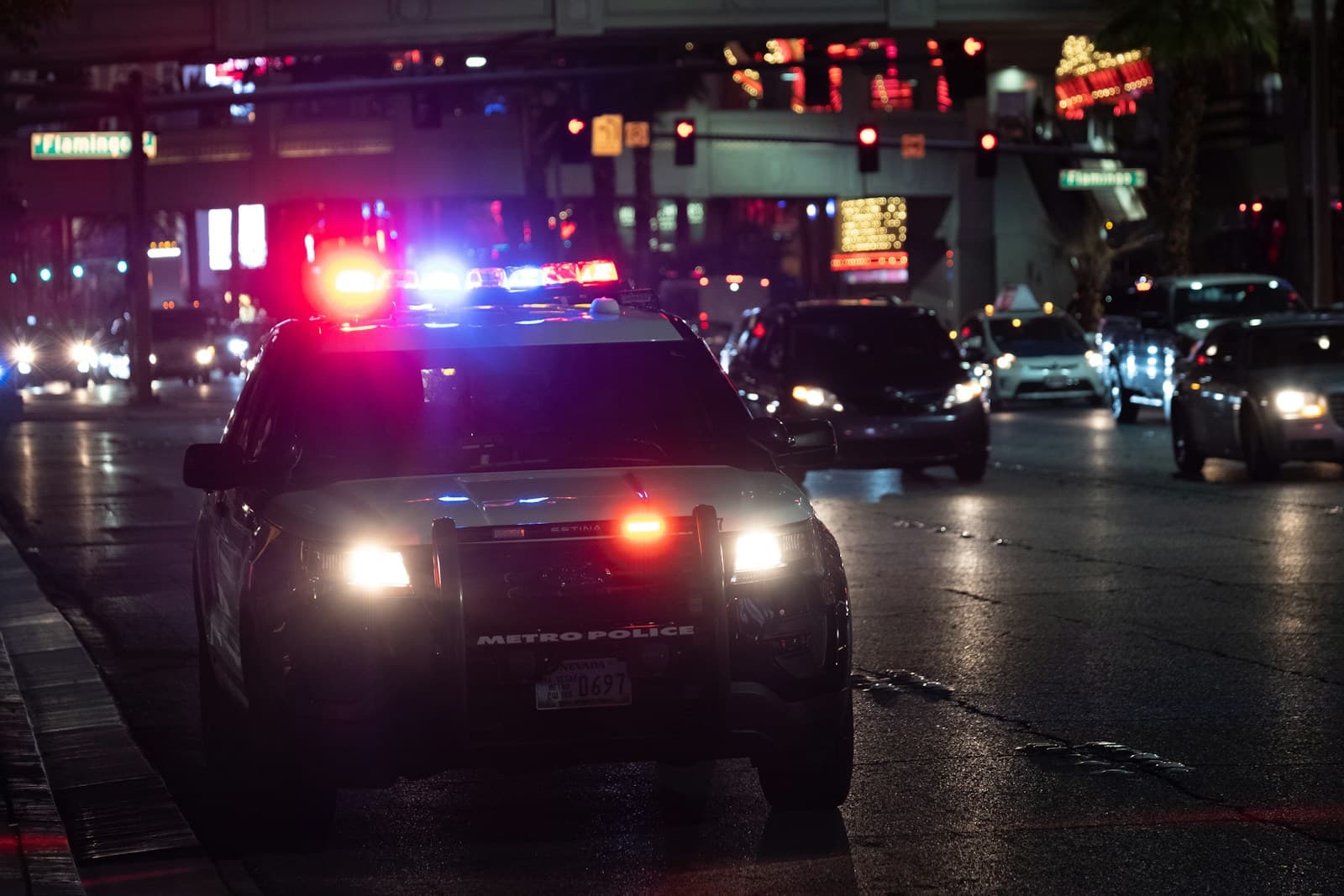
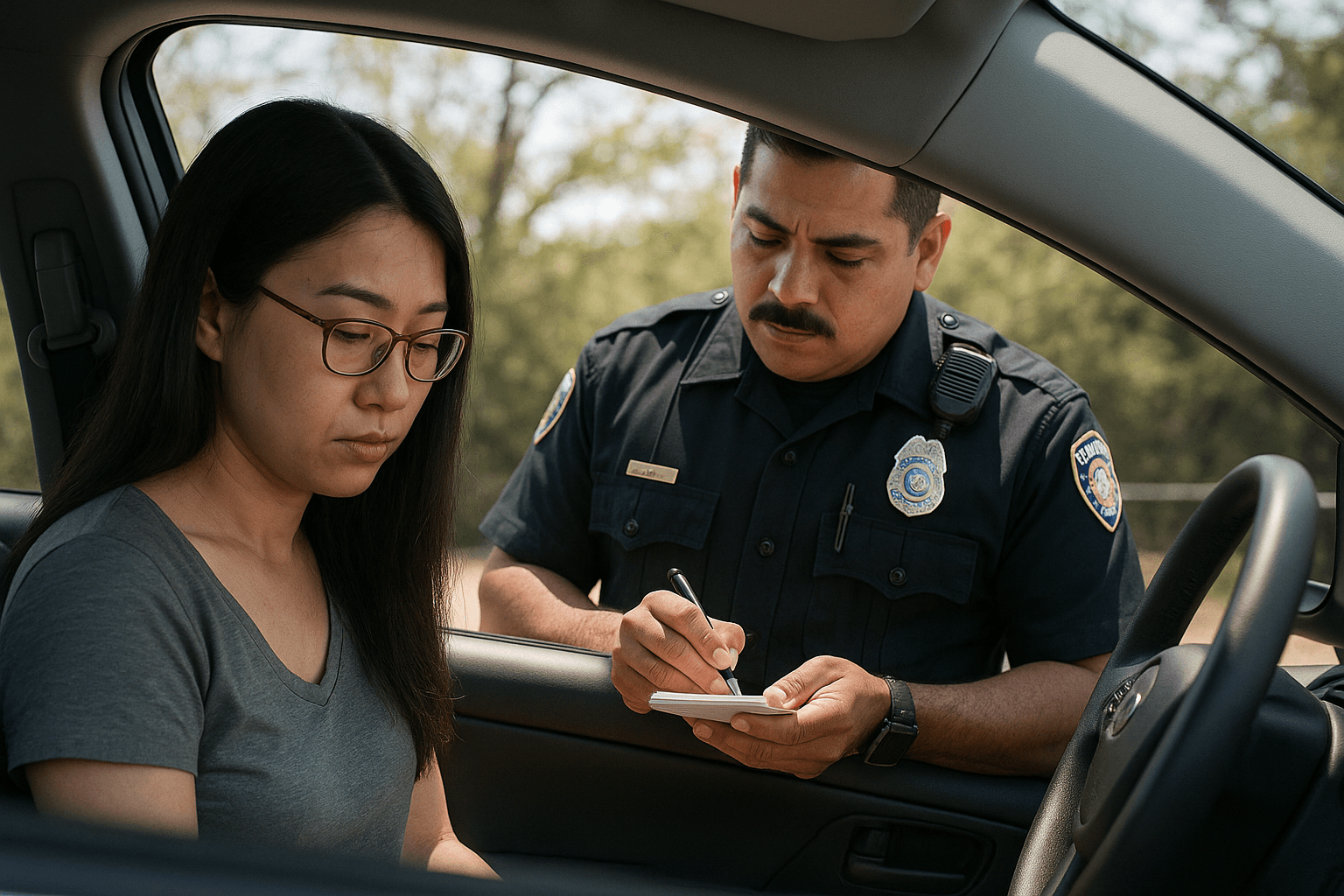
If you are caught driving outside your approved purposes, your Restricted Use License will be revoked immediately and you will face additional suspension time. New York law enforcement can verify your approved purposes at a traffic stop by contacting DMV directly. The restriction is enforceable in real time.
Who Is Eligible and Who Gets Denied Despite Eligibility
New York DMV grants Restricted Use Licenses to drivers suspended for DUI, points accumulation, uninsured driving, and unpaid fines. Technical eligibility exists across all these triggers. What most applicants miss: DMV has broad administrative discretion to deny your application even when you meet the technical criteria.
Prior suspension history is the single biggest denial factor outside of open warrants or incomplete documentation. If this is your second or third suspension within five years, DMV views you as a higher-risk driver regardless of the current trigger. Multiple DWI offenses create extended hard revocation periods where no Restricted Use License is available at all. A first-offense DUI typically qualifies, but a second DUI within ten years may result in permanent revocation with no hardship pathway.
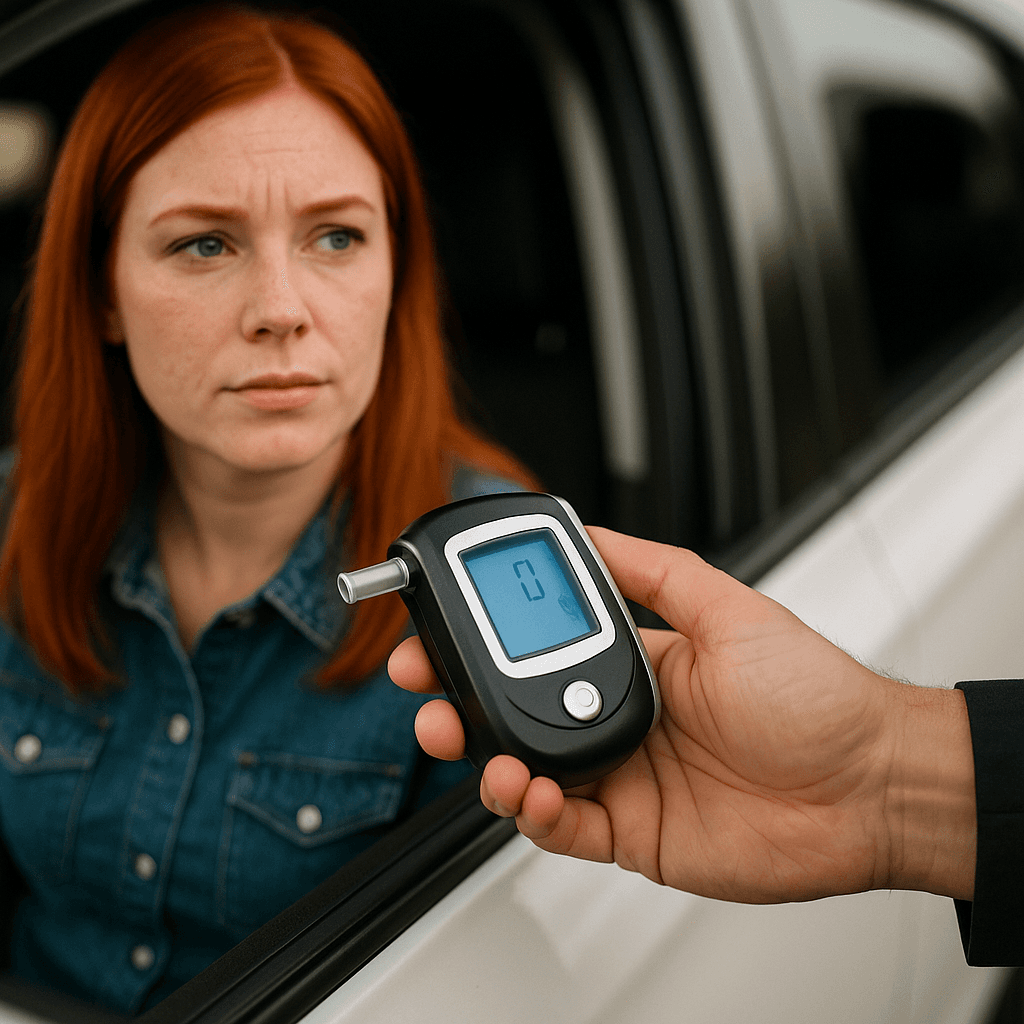
Leandra's Law (NY VTL §1198) mandates ignition interlock installation for all DWI convictions. If your suspension stems from DWI, you must install an ignition interlock device in any vehicle you will drive under the Restricted Use License before DMV will approve your application. The IID requirement is non-negotiable and non-waivable. If you do not own a vehicle, you must install the device in a vehicle you have regular access to and prove that access to DMV.
Completion of the New York Impaired Driver Program (IDP) is typically required before DMV will consider your Restricted Use License application if your suspension is DWI-related. The IDP is a multi-week educational program administered by approved providers statewide. You cannot skip it. Your application will be denied if you submit before program completion.
Compare car insurance rates in your state
Get quotes from licensed carriers — no obligation, no spam, results in minutes.
Get Your Free Quote✓ No Obligation Required✓ Licensed Carriers Only✓ Available Nationwide✓ Free to Compare
What Documentation You Need and Why Employer Verification Matters
Your Restricted Use License application requires an MV-500 series form (the specific form number varies by suspension type), proof of employment, proof of insurance verified electronically by your carrier, and suspension clearance or eligibility confirmation from DMV. The proof-of-employment requirement is where most applications stall.
New York DMV requires a verification letter from your employer on company letterhead. The letter must state your job title, your work address, your work schedule including start and end times, and whether your job requires driving during work hours. If you work multiple jobs, you need separate letters for each. If you are self-employed, you must provide business registration documents, client contracts, or other evidence that your income depends on driving to a work location. A vague letter will result in denial.
Some employers will not provide verification letters for liability reasons. If your employer refuses, DMV will deny your application. You cannot substitute a pay stub or tax return for the verification letter. The letter requirement is statutory. If you anticipate employer resistance, address it before you apply—once your application is denied, you must wait 30 days to reapply in most cases.
Proof of insurance is verified through New York's Insurance Information and Enforcement System (IIES). Your carrier reports your coverage directly to DMV. New York does not use SR-22 certificates—the verification is entirely electronic. You must have active coverage in place before DMV will process your application. A lapse during the application review period will result in automatic denial.
How Long the Application Takes and What Happens If You're Denied
New York DMV does not publish a standard processing time for Restricted Use License applications. Actual turnaround varies significantly by regional DMV office and case complexity. Straightforward first-offense DUI cases with complete documentation typically process within 2-4 weeks. Cases involving prior suspensions, incomplete employer verification, or IID installation delays can take 6-8 weeks or longer.
You cannot drive during the application review period unless you already hold a valid conditional license through the Impaired Driver Program. Your underlying suspension remains in effect until DMV approves your Restricted Use License and issues the physical document. Driving on a suspended license while your application is pending adds a separate criminal charge and typically results in automatic denial of your application.
If DMV denies your application, the denial notice will state the reason. Common denial reasons: incomplete employer verification, prior suspension history, failure to complete IDP, open warrants, unpaid fines or DMV fees, and IID not installed or not verified. You can reapply once you resolve the stated deficiency. There is no formal appeals process for Restricted Use License denials—DMV's decision is administrative and discretionary. If you believe the denial was issued in error, you can request a hearing through DMV's Administrative Adjudication Bureau, but success rates are low unless the denial involved a clear factual error.
The application fee is $25. This fee is non-refundable whether your application is approved or denied. If you are required to install an ignition interlock device, expect IID installation and monthly monitoring fees of approximately $100-$150 for installation and $75-$100 per month for the duration of your suspension. These costs are separate from the DMV application fee and are paid directly to your IID provider.
What CDL Holders Need to Know About Work-Purposes Restrictions
If you hold a Commercial Driver's License, a Restricted Use License does not permit you to operate commercial vehicles. The restriction applies to personal driving only. Even if your job requires you to drive a commercial vehicle and your employer provides verification, New York law prohibits commercial vehicle operation under a Restricted Use License.
This creates an impossible situation for CDL holders whose livelihood depends on commercial driving. You can obtain a Restricted Use License to commute to your job site, but you cannot perform the job itself if it involves operating a commercial vehicle. Most employers will not retain CDL employees who cannot drive commercially, regardless of the commute-access pathway.
Federal Motor Carrier Safety Administration regulations impose additional CDL disqualification periods that run parallel to state suspension periods. A DUI in a personal vehicle disqualifies you from operating a commercial vehicle for one year on a first offense and permanently on a second offense. The federal disqualification cannot be reduced or bypassed with a state-level Restricted Use License. If you are a CDL holder facing suspension, consult an attorney who specializes in CDL defense before you apply for any hardship license—the pathways are narrow and the consequences of misunderstanding the restrictions are severe.
How to Set Up Insurance Coverage That Meets Restricted Use License Requirements
New York requires proof of insurance before DMV will approve your Restricted Use License. The coverage must meet or exceed New York's minimum liability limits: $25,000 bodily injury per person, $50,000 bodily injury per accident, and $10,000 property damage. Personal Injury Protection (PIP) and uninsured motorist coverage are also mandatory in New York.
If your suspension was triggered by a DUI or uninsured driving violation, you will be classified as a high-risk driver. Expect monthly premiums in the range of $140-$190 for minimum liability coverage, significantly higher than standard-risk rates. If you do not own a vehicle, you will need non-owner liability coverage to satisfy the DMV requirement. Non-owner policies provide liability coverage when you drive a vehicle you do not own—your employer's vehicle, a rental, or a borrowed car.
Your carrier reports your coverage status to New York DMV through the IIES system. You do not file an SR-22 certificate. The verification is automatic once your policy is active. If your policy lapses or is canceled during your Restricted Use License period, DMV will be notified immediately and your license will be suspended again. Maintaining continuous coverage is not optional.
Carriers that write high-risk coverage in New York and report through IIES include Geico, Progressive, Bristol West, and National General. Start your quote process as soon as you know you will apply for a Restricted Use License. Coverage must be in place before you submit your application. Some carriers require a down payment of 20-30% of the six-month premium to activate the policy. Budget for both the application fee and the insurance deposit in the same week.
What Happens If You Violate Your Restricted Use License Terms
Driving outside your approved purposes under a Restricted Use License results in immediate revocation and additional suspension time. New York law enforcement can verify your approved driving hours and routes at any traffic stop by contacting DMV directly. If you are stopped outside your approved window, your license will be confiscated on the spot and you will be charged with aggravated unlicensed operation.
Aggravated unlicensed operation is a misdemeanor in New York. A first offense carries up to 30 days in jail, fines up to $500, and an additional suspension period of at least 60 days. A second offense within 18 months is a Class E felony. These penalties stack on top of your existing suspension—they do not run concurrently. Violating your Restricted Use License terms is treated as a separate and more serious offense than the violation that triggered your original suspension.
If you miss two consecutive Impaired Driver Program classes without prior approval, your Restricted Use License will be revoked automatically. The IDP completion requirement is not a one-time hurdle—you must maintain participation throughout the program duration. If you are required to use an ignition interlock device, any violation recorded by the device (failed breath test, missed rolling retest, tampering attempt) will be reported to DMV and will result in revocation. IID violations extend your suspension period by the length of the violation, not just a fixed penalty.
Most drivers who lose their Restricted Use License due to a violation are not granted a second one. DMV views the violation as evidence that you cannot comply with restricted driving terms, and future applications are typically denied on discretionary grounds even if the underlying suspension period has not yet expired.