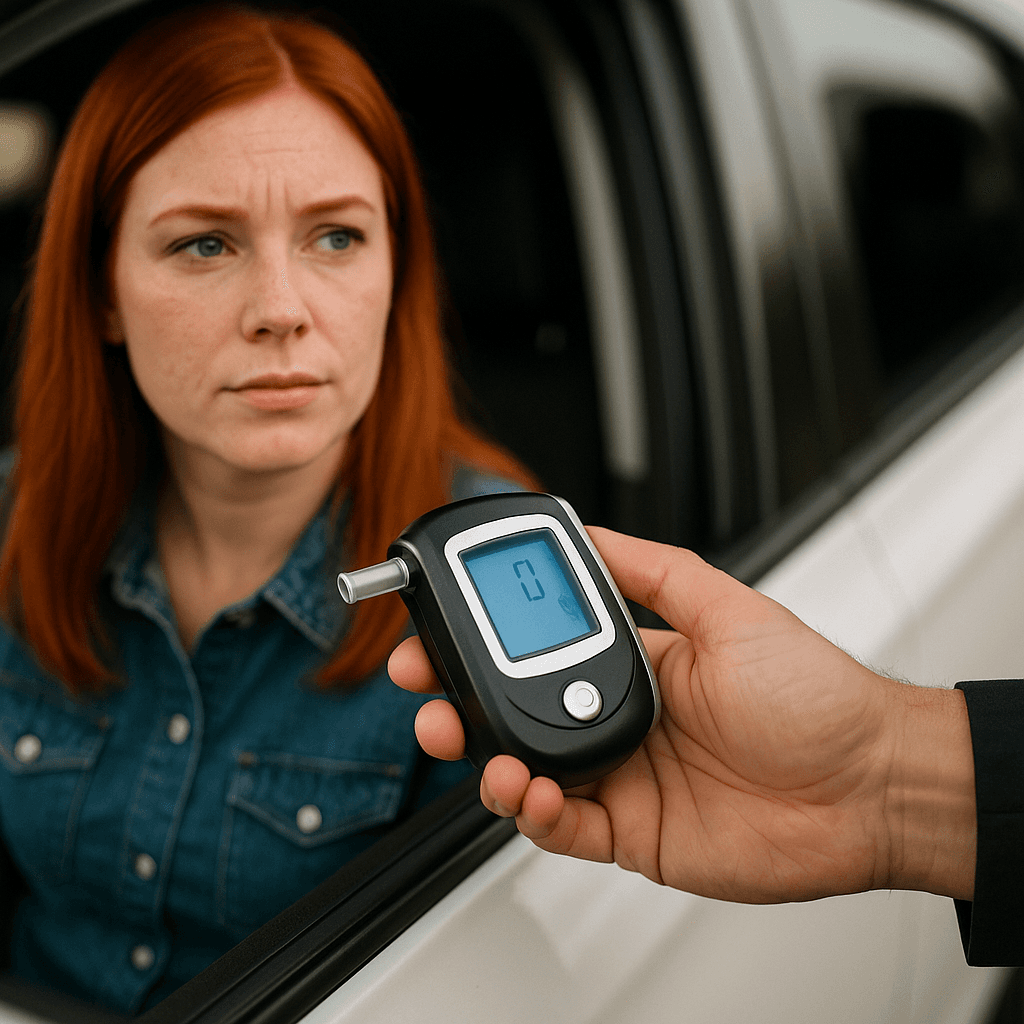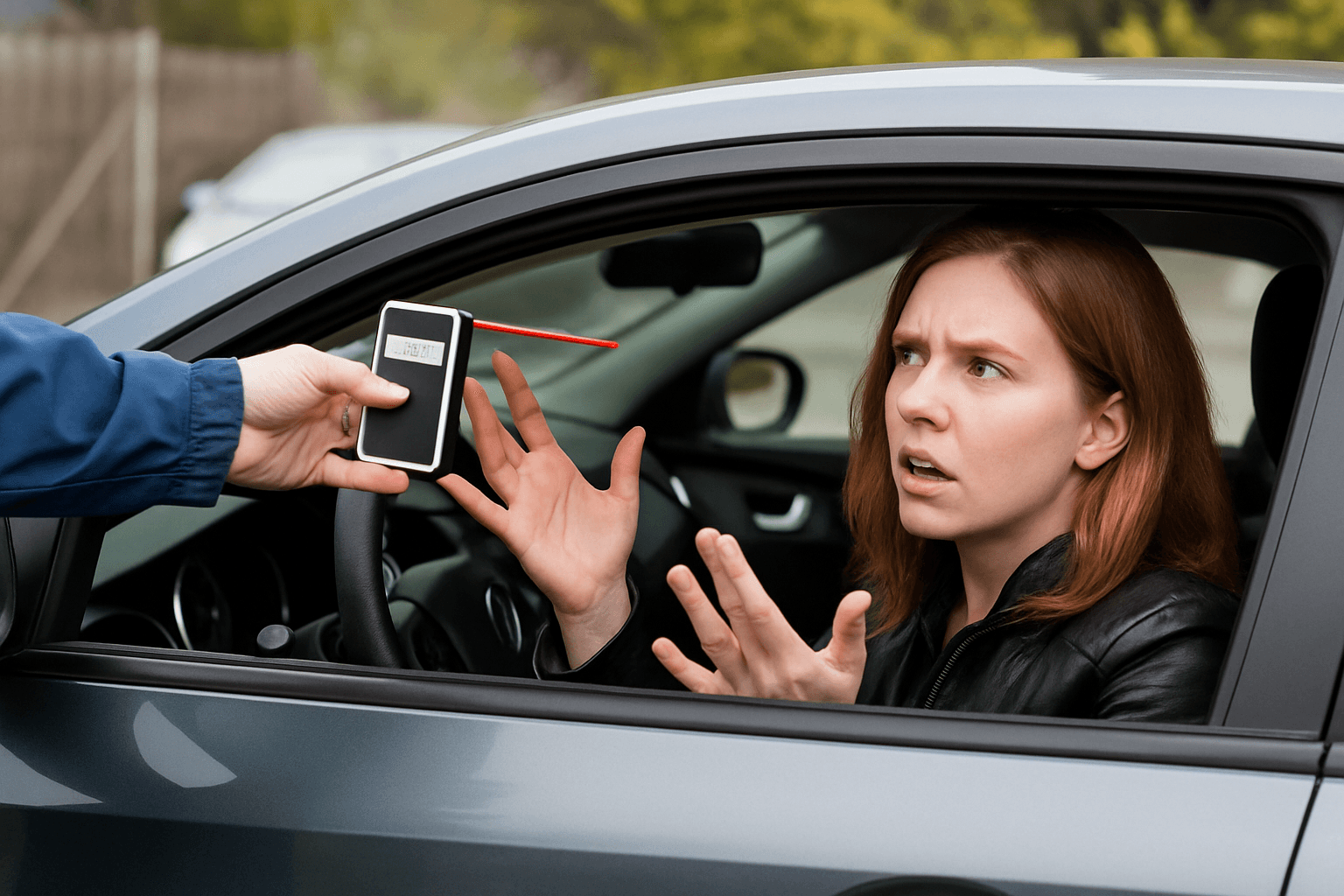
California's AB 91 IID program lets first-offense DUI drivers skip the 30-day hard suspension entirely by installing an ignition interlock device immediately and applying for a restricted license that covers work commute and job-related driving. The device stays in for 12 months, but you keep your job.
How California's IID Restricted License Lets You Drive to Work Immediately After DUI Arrest
California became the first state to eliminate the mandatory 30-day hard suspension for first-offense DUI drivers who install an ignition interlock device within the first 30 days after arrest. Under Vehicle Code Section 13353.3(b)(1), enacted by AB 91 in 2019, you can apply for a restricted license immediately after your DMV administrative hearing or after waiving that hearing, as long as the IID is installed before you drive.
The restricted license covers driving to and from work, driving during the course of employment if your job requires it, and driving to and from your court-ordered DUI treatment program. It does not cover personal errands, social trips, or driving outside these approved purposes. The device logs every trip. If you're caught driving outside approved purposes or attempt to start the vehicle after a failed breath test, your restricted license can be revoked immediately and the full suspension period reinstated.
This is a fundamentally different pathway than the traditional post-suspension restricted license. The traditional route requires you to serve the full 30-day hard suspension, then apply for a restricted license that still requires IID but starts later. The AB 91 IID program eliminates the hard suspension entirely if you install within the first 30 days and maintain the device for 12 months. Most drivers who need to keep working choose the immediate IID route because losing a month of work is not survivable.
What the DMV Requires Before You Can Drive on an IID Restricted License
You must complete four actions before the DMV will issue your restricted license. First, install the ignition interlock device with a state-certified provider. California maintains a list of approved IID vendors; the device must be installed by one of these vendors and they must electronically report the installation to the DMV. Second, obtain SR-22 insurance coverage. California requires proof of financial responsibility for all DUI-related restricted licenses, filed electronically by your insurer as an SR-22 certificate.
Third, enroll in a California DUI treatment program. You do not need to complete the program before applying for the restricted license, but you must show proof of enrollment. Program length varies: 3 months for wet reckless, 9 months for standard first DUI, 18 months for high-BAC or second offense. Fourth, pay the $125 restricted license reissue fee to the DMV. You can submit your application online through the DMV portal or in person at a field office once all four requirements are documented.
The DMV typically processes IID restricted license applications within 5 to 10 business days if all documentation is submitted correctly. If your SR-22 filing has not been received electronically by the DMV, your application will be delayed or denied. Most delays occur because drivers assume their insurance agent filed the SR-22 when the filing was never transmitted. Verify with the DMV directly that your SR-22 is on file before paying the reissue fee.
Compare car insurance rates in your state
Get quotes from licensed carriers — no obligation, no spam, results in minutes.
Get Your Free Quote✓ No Obligation Required✓ Licensed Carriers Only✓ Available Nationwide✓ Free to Compare
Employer Verification and What Your Boss Needs to Know About Restricted Driving
California does not require a formal employer verification letter for IID restricted licenses, unlike Texas or Georgia. Your restricted license itself serves as documentation that you are legally permitted to drive for work purposes. However, many employers' HR departments or insurance carriers will ask for a copy of your restricted license and a copy of your DUI program enrollment confirmation before allowing you to drive a company vehicle or use your personal vehicle for work-related tasks.
If your job requires driving a company vehicle, understand that most commercial liability policies exclude drivers with DUI convictions or active IID requirements. Your restricted license gives you legal permission to drive, but it does not obligate your employer to let you drive their vehicles. If your employer's insurer refuses to cover you, your employer may reassign you to non-driving duties or terminate your employment depending on the role. This is not a DMV issue; it is an insurance and employment issue.
If you drive your own vehicle for work, your personal auto insurance with SR-22 filing covers you during work-related trips as long as those trips fall within the approved purposes on your restricted license: commute to and from work, and driving during the course of employment. Verify with your insurer that your policy includes business-use coverage if your job involves client visits, deliveries, or other non-commute work driving. Some SR-22 policies exclude business use unless you purchase an endorsement.
What Happens If You're Caught Driving Outside Approved Work Hours or Routes
California law does not define approved routes geographically for IID restricted licenses. You are not required to file a map with the DMV showing your exact commute path. However, the restriction is purpose-based: you may drive only to and from work, during work if your job requires it, and to and from your DUI program. If a law enforcement officer stops you for any reason and determines you are driving outside these purposes, they can arrest you for driving on a suspended license under Vehicle Code Section 14601.2.
Driving on a suspended license in California is a misdemeanor. First conviction carries up to 6 months in county jail and a fine up to $1,000, though most first offenses result in probation and additional suspension time rather than jail. The DMV will also revoke your restricted license and reinstate the full suspension period you bypassed by installing the IID early. You lose the benefit of AB 91 and must serve the remainder of your suspension with no driving privileges.
The IID device itself logs every trip: start time, duration, location data in some models, and breath test results. If your device records frequent trips outside typical commute hours or to locations unrelated to work or your DUI program, the DMV may flag your account for review even without a traffic stop. The monthly IID monitoring reports go to the DMV automatically. Consistent violations of your restricted license terms will result in revocation before you complete the 12-month IID period.
How Long You Must Keep the IID Installed and What SR-22 Duration Applies
For first-offense DUI drivers using the AB 91 IID restricted license pathway, the ignition interlock device must remain installed for 12 months from the date of installation. This is separate from your court-ordered DUI program, which may be 3, 9, or 18 months depending on your BAC and prior record. The IID requirement is administrative, imposed by the DMV under Vehicle Code Section 13353.3, and the 12-month period does not shorten if you complete your DUI program early.
Second-offense DUI and subsequent offenses require longer IID periods: typically 2 years for second offense, 3 years for third offense. These drivers face a 1-year hard suspension before restricted license eligibility, so the AB 91 immediate-IID pathway does not apply. If you are a second or subsequent offender, you must serve the hard suspension, then install IID for the extended period when your restricted license is granted.
SR-22 insurance filing must be maintained for 3 years from your conviction date for DUI-related suspensions in California. This is longer than the IID requirement. If your SR-22 filing lapses at any point during the 3-year period, the DMV will re-suspend your license immediately. Even after your IID is removed at the end of 12 months and your full driving privileges are restored, you must continue carrying SR-22 coverage until the 3-year period expires. Most drivers forget this and let their SR-22 lapse after IID removal, triggering a new suspension cycle.
Finding SR-22 Insurance That Covers IID Restricted License Work Driving
Not all insurers in California write policies for drivers with active DUI suspensions and IID requirements. You need a carrier willing to file SR-22 and provide coverage for a driver operating under a restricted license. Standard-tier carriers like State Farm, Allstate, and USAA will typically non-renew your policy after a DUI conviction rather than file SR-22. You will need a non-standard or high-risk carrier.
Carriers confirmed to write SR-22 policies in California for DUI and IID cases include Geico, Progressive, Bristol West, The General, Dairyland, and Infinity. Monthly premiums for SR-22 coverage with an IID-restricted license typically range from $180 to $320 per month depending on your age, county, vehicle, and prior insurance history. This is 2 to 3 times higher than standard rates. The SR-22 filing itself adds approximately $25 to $50 to your premium; the majority of the increase comes from the DUI conviction and restricted license classification.
When comparing quotes, confirm that the policy includes coverage for business use if your job requires driving during work hours beyond the commute. Some carriers exclude business use on SR-22 policies unless you purchase a separate endorsement. If your employer requires proof of coverage before allowing you to drive for work, ask your insurer for a certificate of insurance or business-use endorsement letter in addition to the SR-22 filing confirmation.
CDL Holders and Commercial Driving Exclusions on IID Restricted Licenses
If you hold a California commercial driver's license and were arrested for DUI in your personal vehicle, your CDL is suspended separately from your Class C license. The IID restricted license you obtain under AB 91 applies only to your personal Class C driving privileges. It does not restore your commercial driving privileges and you cannot use it to operate a commercial motor vehicle.
Federal Motor Carrier Safety Administration regulations disqualify CDL holders from operating commercial vehicles for one year after a first DUI conviction, regardless of whether the DUI occurred in a personal or commercial vehicle. California cannot override this federal disqualification with a state-issued restricted license. Even if you install an IID and obtain a restricted license that allows you to drive your personal vehicle to work, you cannot drive a truck, bus, or any vehicle requiring a CDL during that year.
If your job requires a CDL and you cannot perform non-driving duties for a year, you will lose that job. Some employers will allow you to work in a warehouse, dispatch, or administrative role during your disqualification period if you can commute using your IID restricted license. Others will terminate immediately. This is the employment consequence the IID restricted license cannot solve: it gives you a legal path to commute, but it does not give you a legal path to operate commercial vehicles.