California restricted licenses for work are purpose-based, not clock-based. Most drivers expect set hours like 6am–6pm, but the DMV issues no blanket time window—your approved hours are functionally defined by your documented commute and work schedule, and stepping outside those purposes triggers immediate revocation.
What Time Restrictions Apply to California Restricted Licenses for Work?
California's restricted license structure does not impose a blanket time-of-day restriction like 6am–8pm or sunrise-to-sunset windows. Your approved driving window is defined by the purposes listed on your restricted license—commute to and from work, commute to and from your DUI program if required, and driving within the scope of your employment if your job requires it. If your employer letter documents a Monday-Friday 7am–4pm schedule with a 30-minute commute window, your functionally approved hours are roughly 6:30am–4:30pm Monday through Friday. Drive to the grocery store at 2pm Saturday and you are operating outside the restriction.
This purpose-based framework is codified under California Vehicle Code Section 13353.3, which authorizes the DMV to issue restricted licenses to drivers who can demonstrate a critical need related to employment or DUI program participation. The statute does not define a universal time window; it delegates purpose verification to the DMV and requires the driver to maintain proof of each approved use. Most drivers assume restricted licenses work like curfew permits—stay within the hours and you're legal. California's model inverts that. Your hours are inferred from your documented purposes, and any driving not directly connected to those purposes is a violation.
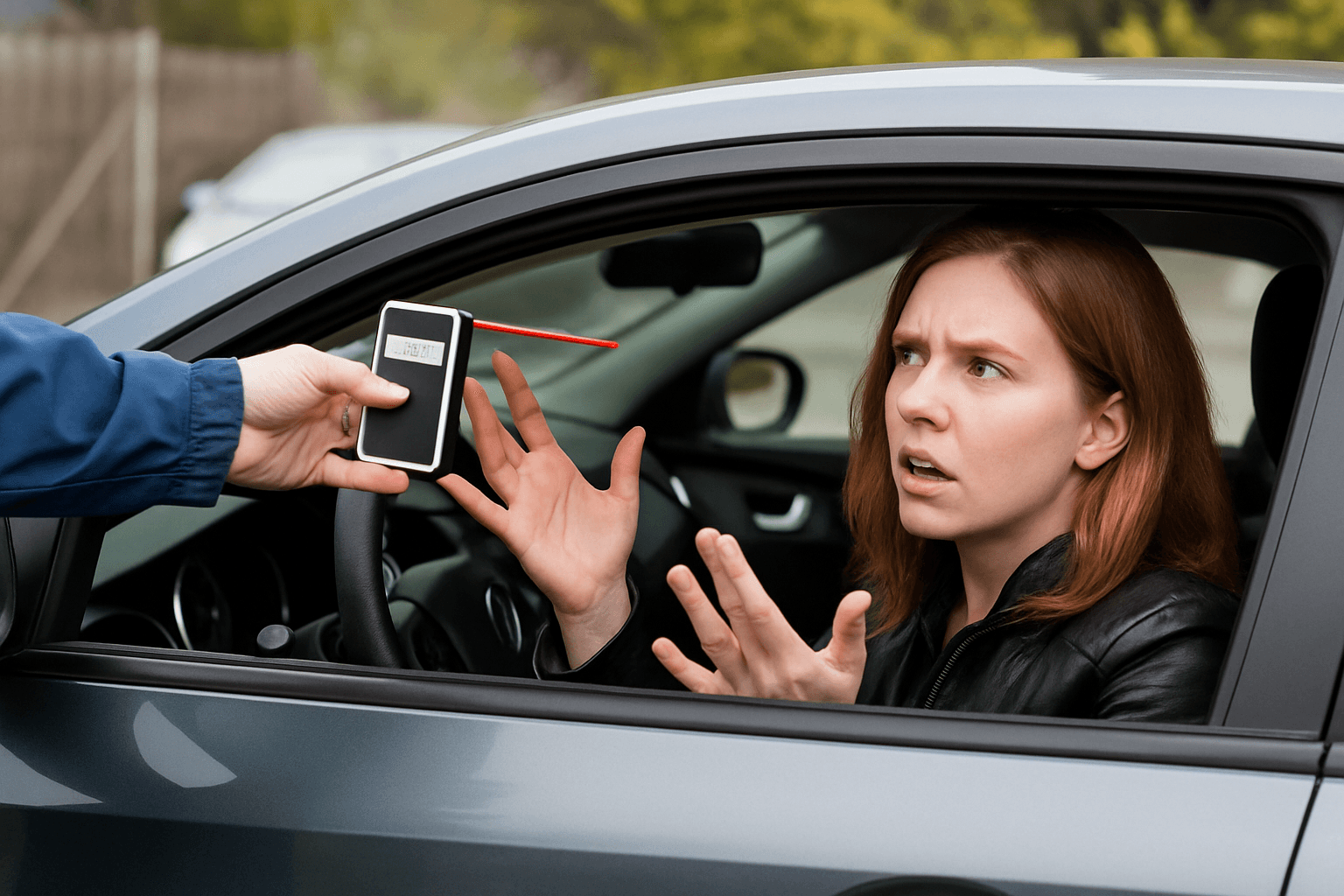
The practical enforcement mechanism is documentation. If stopped, you must produce your restricted license, proof of SR-22 insurance, and documentation showing you are driving for an approved purpose at that moment. If you're stopped at 9pm and your employer letter shows a day shift ending at 5pm, the officer will ask why you're driving. "Running an errand" is not an approved purpose. The violation triggers immediate license revocation and restarts your suspension period from zero.
How the DMV Defines Approved Purposes for Restricted License Driving
California restricted licenses authorize driving for three primary purposes: commute to and from work, commute to and from a court-ordered DUI treatment program, and driving within the scope of employment if your job requires it. The first two are straightforward—home to workplace, workplace to home, home to program, program to home. The third category introduces complexity. "Within the scope of employment" means driving that is necessary to perform your job duties during your shift. If you are a delivery driver, home health aide, sales rep, or construction worker traveling between job sites, your employment requires driving and that driving is covered. If you are an office worker whose job does not require leaving the building during the day, you cannot drive to lunch.
The DMV does not pre-approve your routes or issue a list of approved addresses. Your restricted license is a general authorization tied to the purposes you documented in your application. You must carry proof of those purposes—employer verification letter, DUI program enrollment confirmation, recent paystub showing shift hours—and produce them if stopped. Officers evaluate whether your current driving activity falls within the purposes you documented. If your employer letter states you work 8am–5pm at 123 Main Street in Sacramento, and you are stopped at 11am on Highway 50 heading toward Tahoe, you will be asked to explain how that trip serves your employment.
For DUI-triggered restricted licenses, ignition interlock device installation is mandatory statewide under Vehicle Code Section 23700 and Senate Bill 1046. Your IID logs every ignition event, failed breath test, and circumvention attempt. The DMV receives these logs monthly. If your employer letter shows a Monday-Friday schedule but your IID log shows ignition events every Saturday at 10pm, the DMV will flag the pattern and may revoke your restricted license for violation of the work-purposes restriction even if no officer stopped you.
Compare car insurance rates in your state
Get quotes from licensed carriers — no obligation, no spam, results in minutes.
Get Your Free Quote✓ No Obligation Required✓ Licensed Carriers Only✓ Available Nationwide✓ Free to Compare
What Employer Documentation California Requires for Work-Purposes Restricted Licenses
California requires an employer verification letter as part of your restricted license application. The DMV does not publish a mandatory template, but the letter must confirm: your full name, your job title, your work address, your work schedule including days of the week and hours, whether your job requires driving during work hours, and the employer's contact information with a supervisor signature. The letter must be printed on company letterhead if available. Handwritten notes, unsigned letters, or letters from self-employment without supporting business documentation are typically rejected.
Your work schedule as documented in the employer letter defines your functionally approved driving window. If your letter states you work Tuesday through Saturday 3pm–11pm, your approved commute window is roughly 2:30pm–11:30pm on those days, assuming a 30-minute commute each way. The DMV does not add buffer time automatically. If your actual commute is 45 minutes and your letter shows 30 minutes, you are technically outside the restriction during the extra 15 minutes. Document your actual commute time accurately.
For drivers whose jobs require driving during work hours—delivery drivers, home health aides, field technicians—the employer letter must explicitly state that driving is a job requirement and provide the geographic scope of that driving. "Employee drives within Sacramento County to perform client visits" is specific enough. "Employee may drive as needed" is not. If your job requires you to drive across multiple counties or into Nevada for work purposes, document that in the letter. California restricted licenses do not automatically authorize out-of-state driving even for work purposes; verify with the DMV before crossing state lines.
HR departments often resist providing detailed letters because they do not want liability exposure if you are caught driving outside approved purposes. Frame the request as a DMV compliance requirement, not a personal favor. If your employer refuses to provide a letter, you cannot obtain a work-purposes restricted license in California. The DMV will not accept a notarized self-declaration as a substitute for third-party employer verification.
What Happens If You Drive Outside Approved Work Hours or Purposes
Driving outside your documented work purposes while on a California restricted license is a violation of Vehicle Code Section 14601.2, driving on a suspended license. The restricted license is not a partial reinstatement—it is a narrow conditional privilege that exists only within the documented boundaries. Step outside those boundaries and you are driving on a suspended license, which is a misdemeanor punishable by up to 6 months in county jail and a fine up to $1,000 for a first offense.
The DMV does not issue warnings for restriction violations. If stopped and cited for driving outside approved purposes, your restricted license is revoked immediately. Your suspension period restarts from the date of revocation, and you must wait the full original suspension period before you are eligible to reapply for another restricted license. If your original DUI suspension was 6 months with restricted license eligibility after 30 days, and you violate the restriction 90 days in, your suspension resets to day zero and you wait another 30 days before you can apply again. The second application is not guaranteed approval.
Employers will sometimes ask restricted-license employees to run work-related errands outside documented hours or to attend meetings at locations not listed in the employer verification letter. Saying yes puts your license, your job, and your freedom at risk. If your job requirements change after you receive your restricted license—new shift hours, new work location, new driving scope—you must notify the DMV and submit updated employer documentation. The DMV does not automatically update your restriction terms based on changes at your workplace. Operating under outdated documentation is treated the same as operating with no documentation.
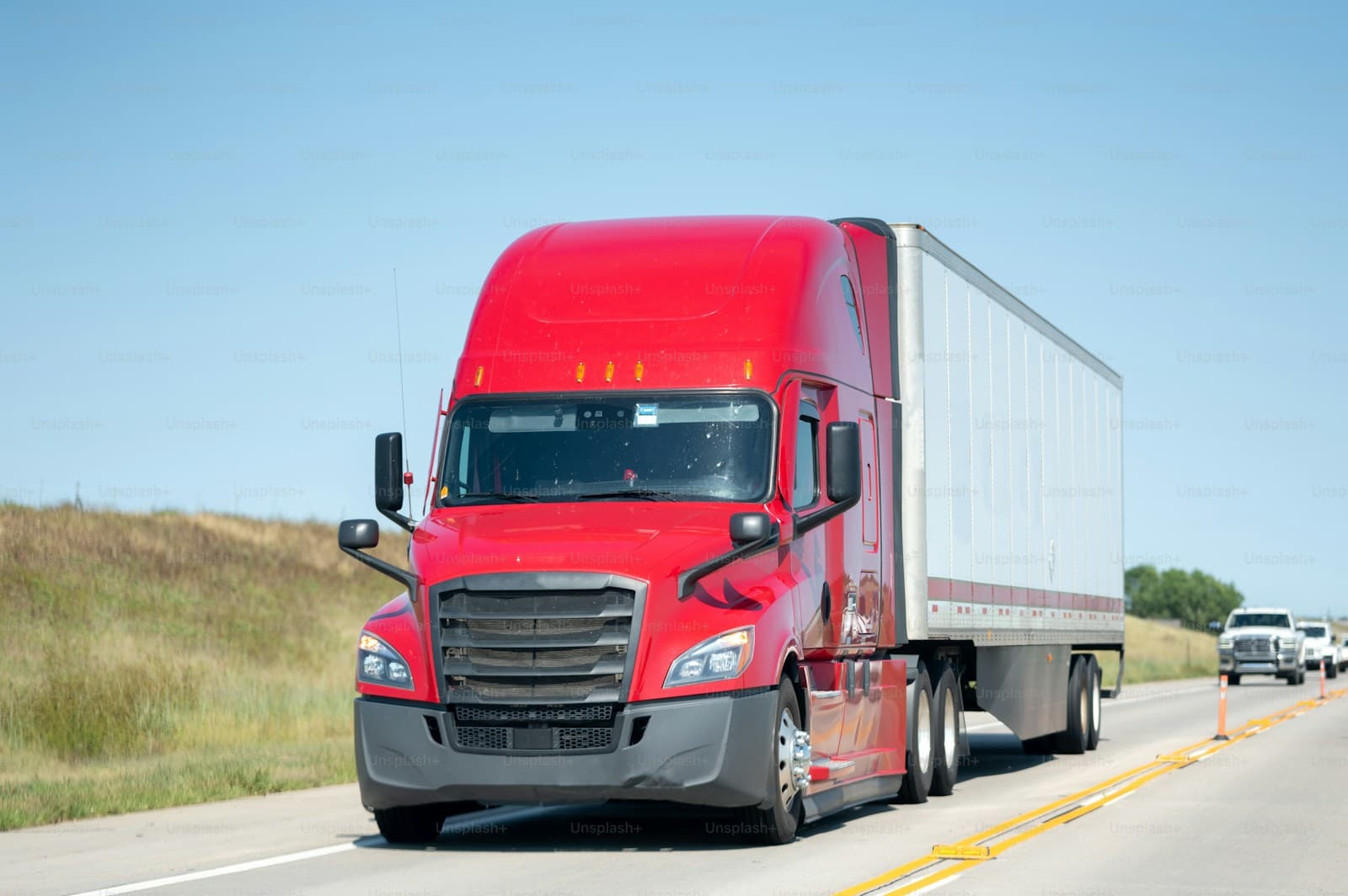
Commercial driving is excluded from California work-purposes restricted licenses even if your job is commercial driving. If you hold a Class A or Class B CDL and your job requires you to drive a commercial vehicle, a restricted license issued for your personal Class C license does not authorize you to operate a commercial vehicle for work. CDL suspensions follow separate federal disqualification rules under 49 CFR Part 383, and most DUI-triggered CDL disqualifications do not permit restricted commercial driving privileges. You may be able to commute to a CDL job in a personal vehicle under a restricted license, but you cannot perform the commercial driving duties of that job.
How Ignition Interlock Device Requirements Interact with Work-Hour Restrictions
California requires ignition interlock device installation for all DUI-triggered restricted licenses under Vehicle Code Section 23700. The IID requirement is not optional. You must install the device with a state-certified provider before the DMV will issue your restricted license, and you must maintain the device for the full duration of your restricted license period plus any post-reinstatement monitoring period. For first-offense DUI restricted licenses, the IID installation period is typically 12 months from the date of restricted license issuance.
Your IID logs every ignition event, every failed breath test, every missed rolling retest, and every attempt to start the vehicle without providing a breath sample. Those logs are transmitted to the DMV monthly. If your employer verification letter shows a Monday-Friday 8am–5pm schedule and your IID log shows frequent weekend ignition events, the DMV will flag the pattern as potential restriction violations. You do not need to be stopped by an officer to trigger an investigation. Consistent log patterns that do not align with your documented work schedule are sufficient grounds for the DMV to schedule a compliance review and potentially revoke your restricted license.
Some drivers attempt to use IID-equipped vehicles for non-work purposes and rationalize that as long as they pass the breath test, the driving is legal. That is not correct. The IID prevents you from driving drunk; it does not expand your approved driving purposes. A passed breath test at 10pm on a Saturday when your work schedule is Monday-Friday days is still a restriction violation. The IID log becomes evidence against you if the DMV reviews your compliance.
If your job requires you to drive a company vehicle and your employer will not allow IID installation on that vehicle, you cannot use that vehicle under your restricted license. California law requires the IID to be installed on every vehicle you operate during the restriction period. Most employers refuse to allow personal-restriction IID installations on fleet vehicles due to insurance and liability concerns. Your options are to drive your own IID-equipped vehicle to and from work and request a non-driving role during work hours, or find a different job that does not require driving a company vehicle.
What SR-22 Insurance Requirements Apply to California Work-Restricted Licenses
California requires proof of SR-22 insurance filing before the DMV will issue a work-purposes restricted license for most suspension triggers. SR-22 is a certificate filed by your insurance carrier with the DMV confirming you carry at least the state minimum liability coverage: $15,000 per person for bodily injury, $30,000 per accident for bodily injury, and $5,000 for property damage. The SR-22 filing itself costs $15–$25 as a one-time carrier administrative fee, but the insurance premium behind it is typically 2–4 times higher than standard rates for drivers with DUI or reckless driving suspensions.
Your SR-22 filing must remain active and continuously reported to the DMV for the full duration of your restricted license period and any additional filing period required by your suspension trigger. For DUI-triggered restricted licenses, California requires 3 years of SR-22 filing from the date of reinstatement. If your SR-22 policy lapses—missed payment, cancellation, non-renewal—your carrier notifies the DMV within 15 days and your restricted license is suspended immediately. There is no grace period. The suspension remains in effect until you file a new SR-22 and pay a $55 reinstatement fee under California Vehicle Code Section 14904.
Not all carriers write SR-22 policies for restricted-license drivers. Standard-tier carriers like Allstate, State Farm, and USAA often decline to write new policies for drivers with active DUI suspensions or may write the policy but charge rates that make coverage unaffordable. Non-standard carriers that specialize in high-risk drivers—employment-hardship SR-22 insurance providers like Progressive, Geico, Bristol West, Dairyland, and The General—are more likely to quote competitive rates for restricted-license SR-22 coverage. Monthly premiums for minimum-liability SR-22 coverage in California typically range from $110–$200 for drivers with one DUI and no additional violations, higher for drivers with multiple offenses or points-related suspensions.
If you do not own a vehicle and only need to drive occasionally for work commute purposes, a non-owner SR-22 policy provides the required liability coverage and DMV filing without requiring you to insure a specific vehicle. Non-owner SR-22 premiums are typically 20–30% lower than standard SR-22 policies because the carrier assumes you drive less frequently. This is a common solution for drivers who lost their vehicle after a DUI arrest or who rely on employer-provided vehicles for work-hour driving but need personal coverage for the commute.
What Drivers Should Do Now to Obtain Work-Purposes Restricted License in California
Start by confirming your suspension trigger and eligibility timeline. California allows restricted license applications for DUI suspensions after the 30-day hard suspension period under Vehicle Code Section 13353.3, for negligent operator point-accumulation suspensions after DMV review, and for uninsured-driving suspensions after proof of insurance is filed. Suspensions for unpaid tickets, failure to appear in court, or unpaid child support under Vehicle Code Section 13365 do not qualify for work-purposes restricted licenses. Resolve the underlying issue—pay the fine, appear in court, satisfy the support order—before the DMV will consider reinstatement.
Obtain your employer verification letter. Schedule a meeting with your HR department or direct supervisor, explain that California DMV requires third-party verification of your work schedule and job duties, and request a letter on company letterhead that includes your name, job title, work address, work days and hours, whether driving is required during work, and supervisor contact information with signature. If your employer refuses, you cannot proceed. If you are self-employed, gather business registration documents, recent tax returns showing self-employment income, and client contracts or invoices demonstrating ongoing work requirements. The DMV evaluates self-employment claims more skeptically; expect additional documentation requests.
Enroll in a DUI treatment program if your suspension is DUI-related. California requires proof of enrollment in a state-licensed DUI program as a condition of restricted license issuance. Program lengths are tiered: 3-month for wet reckless, 9-month for standard first DUI, 18-month for high-BAC first DUI or second offense, 30-month for third or subsequent offenses. You do not need to complete the program before applying for the restricted license, but you must show proof of enrollment and paid tuition.
Install an ignition interlock device with a DMV-certified provider. California's certified IID providers are listed on the DMV website. Installation typically costs $70–$150, with monthly monitoring fees of $60–$90. Schedule installation before you apply for your restricted license. The installer provides a verification of installation form that you submit with your restricted license application.
File SR-22 insurance. Contact a carrier that writes high-risk policies, request an SR-22 quote, bind the policy, and confirm the carrier has filed the SR-22 certificate electronically with the DMV. The SR-22 must be on file before the DMV processes your restricted license application. Verify filing status by calling the DMV's automated SR-22 verification line at 916-657-6525.
Submit your restricted license application at a DMV field office. Bring your completed DL 44 form, proof of DUI program enrollment, IID installation verification, employer verification letter, and payment for the $125 reissue fee. Processing typically takes 2–3 weeks. The DMV mails your restricted license to the address on file. Do not drive until you receive the physical restricted license card and have verified that your SR-22 filing appears in the DMV system.