California suspends licenses for unpaid fines under VC 13365, but unlike DUI cases, no restricted license pathway exists until you clear the hold with the court. Here's how to resolve the suspension and get back to work.
Why California Denies Restricted Licenses for Unpaid Fine Suspensions
California Vehicle Code 13365 suspensions triggered by failure to appear (FTA) in court or unpaid fines do not qualify for restricted license relief. The DMV cannot issue a restricted license for VC 13365 holds because the suspension is court-imposed, not administratively triggered by the DMV. Unlike DUI cases where the DMV controls the restricted license approval process, unpaid-fine suspensions originate from county court orders reporting the failure to the DMV.
The restricted license application fee is $125 in California, but submitting the application for a VC 13365 suspension wastes that money—the DMV will deny it automatically because the court holds jurisdiction over the suspension. This differs sharply from DUI-triggered suspensions under VC 13352 or negligent operator suspensions under VC 13363, where restricted licenses with ignition interlock devices are available after a 30-day hard suspension period.
Employers often assume all suspended drivers can obtain work permits. They cannot. If your job requires driving and you're suspended under VC 13365, you have no legal pathway to drive until the court clears the hold and the DMV processes reinstatement. Some drivers attempt to negotiate with HR using proof of payment to the court as temporary documentation. This carries legal risk—driving on a suspended license in California is a misdemeanor under VC 14601.1, regardless of employment necessity.
How to Clear the Court Hold and Lift the Suspension
Clearing a VC 13365 suspension requires action at the county court level, not the DMV. Contact the court that issued the failure-to-appear or unpaid-fine notification—this information appears on the DMV suspension notice under "Reason for Action." Most California counties allow you to pay outstanding fines online through the court's website or in person at the clerk's office. Payment confirmation does not lift the suspension immediately.
After you pay the fine or resolve the failure to appear, the court files an FTA/FTP clearance notice (VC 40509) with the DMV electronically. Processing time varies by county: Los Angeles and San Diego courts typically file clearances within 5-7 business days; smaller rural counties may take 10-14 days. The DMV will not act on your reinstatement until it receives that clearance electronically from the court.
Once the DMV receives court clearance, you must pay the $55 reissue fee under VC 14904 to reinstate your license. This fee is separate from any court fines you already paid. You can pay online through the DMV's MyDMV portal or in person at a field office. No SR-22 insurance filing is required for VC 13365 suspensions unless a separate insurance-related suspension (uninsured accident, lapse) is also on your record. Verify your suspension reason carefully—drivers often have multiple overlapping holds.
Compare car insurance rates in your state
Get quotes from licensed carriers — no obligation, no spam, results in minutes.
Get Your Free Quote✓ No Obligation Required✓ Licensed Carriers Only✓ Available Nationwide✓ Free to Compare
What Happens If You Drive Before Clearance
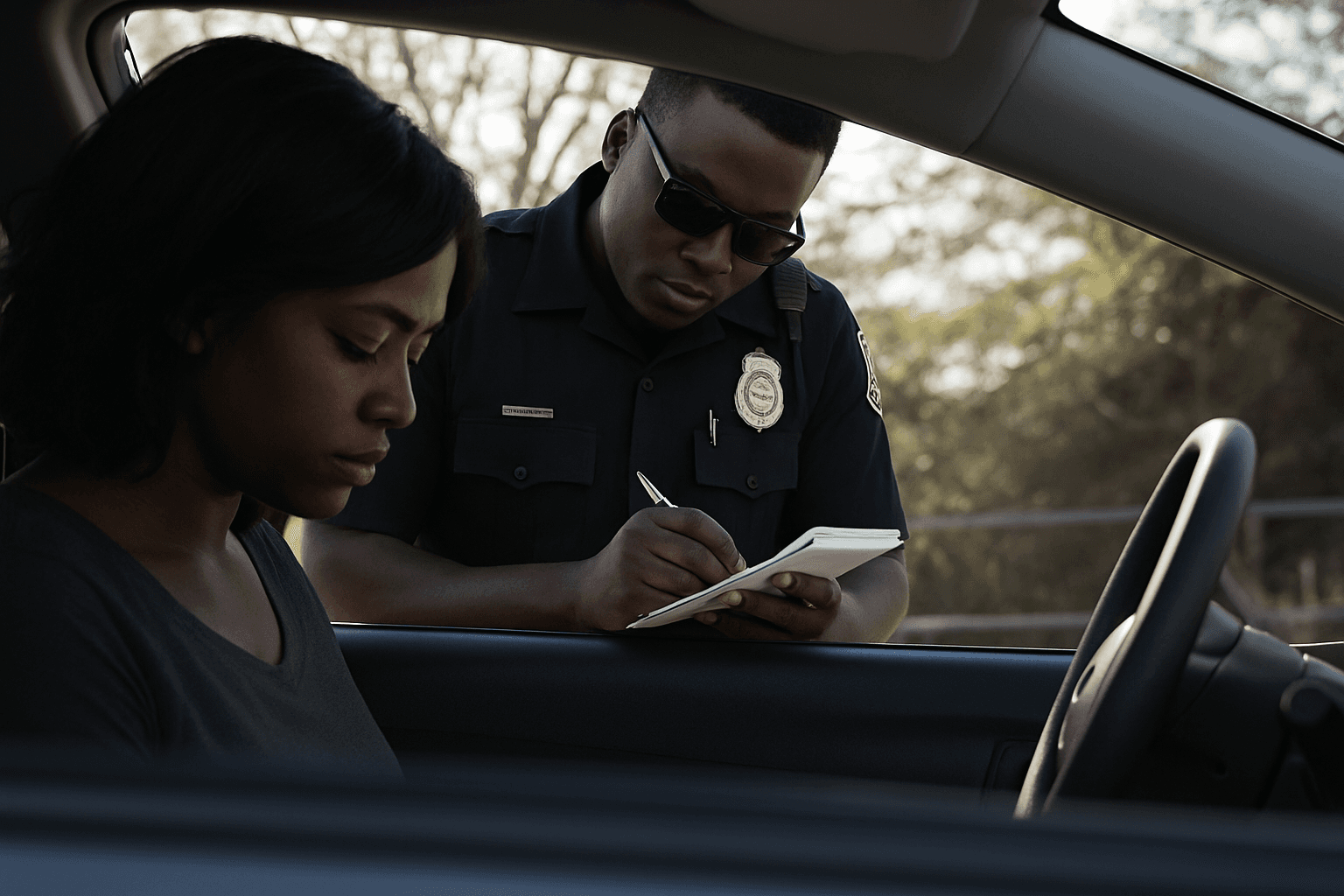
Driving on a VC 13365 suspended license is a misdemeanor under California Vehicle Code 14601.1. First-offense penalties include up to six months in county jail and fines between $300 and $1,000. Courts routinely add mandatory probation terms that prohibit any driving until full reinstatement. If you're stopped while driving to work on a suspended license, the vehicle will be impounded for 30 days under VC 14602.6, adding towing and storage fees typically exceeding $1,200.
Employers who allow you to drive company vehicles while your license is suspended face vicarious liability under California's respondeat superior doctrine. HR departments conducting DMV pull-notice program checks will terminate drivers immediately upon discovering an active suspension. No "pending clearance" or "payment proof" documentation protects you legally.
Some drivers attempt to use rideshare or arrange carpools during the suspension period. This works only if your job does not require driving as a core function. If your position is delivery, sales route, field service, or requires a commercial driver's license, suspension typically triggers termination regardless of alternative transportation arrangements.
Insurance Requirements After Reinstatement
VC 13365 suspensions for unpaid fines do not trigger mandatory SR-22 filing requirements upon reinstatement. You must carry California's minimum liability coverage—$15,000 property damage, $30,000 bodily injury per person, $60,000 bodily injury per accident—but no proof-of-financial-responsibility filing beyond standard insurance verification is required.
If you allowed your insurance to lapse during the suspension period, reinstatement becomes more complex. A lapse longer than 90 days may trigger a separate VC 16070 insurance suspension requiring SR-22 filing for three years. The DMV cross-references Electronic Financial Responsibility (EFR) data from carriers when processing reinstatements. If no active policy appears in the system, expect a hold on reinstatement until you provide proof of current coverage.
Carriers writing suspended-driver policies in California include Dairyland, Bristol West, The General, and Acceptance Insurance. Even without an SR-22 requirement, expect higher premiums after reinstatement—most carriers treat any suspension as a high-risk indicator for 3-5 years. Monthly premiums for minimum liability coverage after a VC 13365 suspension typically range from $110 to $180 depending on county, age, and vehicle type.
Timeline From Payment to Legal Driving
The typical clearance and reinstatement timeline runs 10-21 days from court payment to DMV reinstatement confirmation. Day 1-7: court processes payment and files VC 40509 clearance with DMV electronically. Day 8-14: DMV receives clearance, updates suspension status, and sends reinstatement eligibility notice by mail. Day 15-21: you pay the $55 reissue fee, DMV processes payment, and your driving privilege is restored.
You cannot shorten this timeline by visiting the DMV in person before the court files clearance. Field office staff cannot override the electronic hold—they see the same suspension status you see on the MyDMV portal. Attempting to pay the reinstatement fee before clearance arrives results in the DMV holding your payment in suspense, adding processing delays.
If your job timeline is shorter than 21 days, negotiate with your employer for temporary reassignment to non-driving duties or unpaid leave during the clearance period. Some employers accept court payment receipts as evidence of good-faith resolution and grant short-term accommodation. This is not legally protective for the employer, but it may preserve your position if HR understands the restricted-license-unavailability issue specific to VC 13365 holds.