Your hardship license says 'work purposes only,' but HR wants verification your gig clients won't provide. Most states require employer letterhead—and most 1099 contractors don't realize schedule flexibility counts as a denial reason in stricter states.
Why Multi-Client 1099 Work Complicates Hardship License Applications
Most state hardship license applications require employer verification on company letterhead confirming your job title, work address, scheduled hours, and commute route. When you work for three DoorDash-style platforms, two freelance clients, and a weekend catering gig, that single-employer assumption collapses. The application form has one employer-information box. You have six income sources with six different addresses and no fixed schedule.
States with strict route-and-time hardship restrictions—Georgia, Illinois, Indiana, Ohio—expect you to document a predictable Monday-through-Friday commute between your home address and one workplace address. Variable gig schedules and multi-client service routes don't fit the template. Judges reviewing hardship petitions in these states often deny applications when the work pattern looks like 'driving all day' rather than 'commuting to work.'
The documentation gap hits hardest in states requiring notarized employer affidavits. A staffing agency might provide one. A freelance graphic design client will not. The state's hardship program was designed for factory shifts and office jobs, not for the 35 percent of workers now earning income through non-traditional arrangements.
Which States Allow Flexible Work-Purpose Language in Hardship Licenses
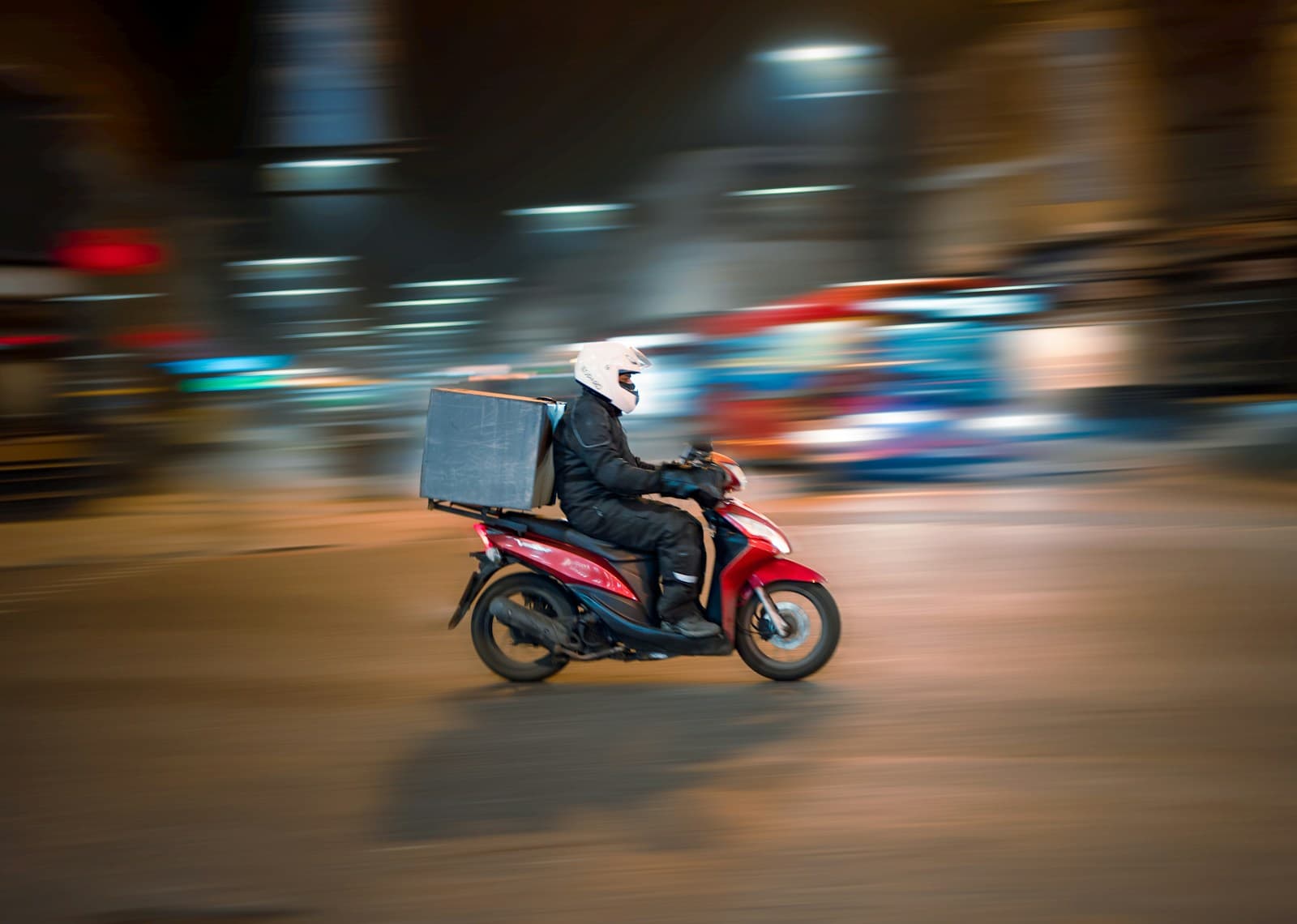
Texas offers the broadest hardship scope for gig workers through its Occupational Driver's License. Texas Transportation Code allows driving 'in the performance of an occupation or trade or for transportation to and from the place of the person's occupation.' That second clause covers service-area gig work—Uber Eats delivery routes, home healthcare visits, mobile dog grooming circuits. You don't need a single employer address. You need proof the driving is economically necessary.
Florida's Business Purpose Only license similarly covers 'any driving necessary to maintain livelihood,' which has been interpreted to include multi-client contractor work as long as personal errands remain off-limits. Oklahoma's Modified License statute includes 'employment' without requiring a single employer, and Nebraska's Employment Driving Permit allows driving 'to and from work and in the course of employment'—the 'in the course of' language protects mobile service workers.
Conversely, Illinois's Restricted Driving Permit statute limits approval to 'employment, educational, or medical purposes' and requires the petitioner to list specific addresses and times. Indiana's Specialized Driving Privileges order must specify routes. Georgia's Limited Driving Permit requires the judge to approve specific hours and destinations. Gig work with variable client locations creates compliance problems in these states because you cannot predict tomorrow's service area today.
Compare car insurance rates in your state
Get quotes from licensed carriers — no obligation, no spam, results in minutes.
Get Your Free Quote✓ No Obligation Required✓ Licensed Carriers Only✓ Available Nationwide✓ Free to Compare
How to Document Multi-Client Work When Applying for a Hardship License
Assemble proof for your three largest income sources first. If you drive for DoorDash and Instacart, print your last 90 days of weekly earnings summaries showing consistent income. If you freelance, gather three months of invoices and payment records showing recurring client relationships. The goal is to demonstrate stable economic dependence on this work—not that you work for a single entity, but that losing driving access eliminates your income.
Draft your own employer-verification letter if no employer will provide one. Include your legal name, the nature of your work, your average weekly hours, your service area or client locations, and a statement that continued driving is required to perform the work. Sign it, notarize it, and attach your income documentation as exhibits. Some judges accept this. Some don't. It depends on how strictly your county interprets the employer-verification requirement.
In states requiring court hearings—Texas, Oklahoma, Georgia, Indiana—bring bank statements showing regular deposits from gig platforms, client contracts, business license documentation if applicable, and tax records proving this income sustained your household. The hearing is your opportunity to explain why the standard employer-letterhead model doesn't apply. Judges have discretion. Frame your work as essential and income-dependent, not as 'I like the flexibility.' Job loss and housing instability carry more weight than convenience.
If your state allows administrative hardship applications without a hearing—California, Michigan, Wisconsin—the documentation standard is often more rigid because no judge will hear your explanation. In those states, gig workers face higher denial rates. Consider whether a different approved purpose—medical appointments, court-ordered obligations—provides a cleaner path if work-purpose documentation won't satisfy the form.
What Happens When Your Hardship License Restrictions Don't Match Your Actual Routes
Your hardship license order lists approved driving hours: Monday through Friday, 6 a.m. to 6 p.m., route between home and 400 Westlake Avenue. Your DoorDash zone spans eight miles. Your weekend catering gig requires Saturday night driving. The hardship order's restrictions don't cover half your actual work, and driving outside approved purposes is a separate criminal offense in most states.
In Texas, violating Occupational License restrictions is a Class B misdemeanor carrying up to 180 days in jail and immediate license revocation. Illinois treats it as a Class A misdemeanor. Georgia's statute provides for automatic permit revocation upon any violation. Officers who stop you during a traffic check can see your restricted license status in their system. If you're pulled over at 8 p.m. on a Saturday and your permit restricts you to weekday work hours, the stop becomes an arrest.
The legal strategy is to apply for broader restrictions upfront. Texas allows 'all times necessary for employment' if the work genuinely requires variable hours—argue for 6 a.m. to 10 p.m. seven days a week if your income sources span that window. Oklahoma and Florida similarly allow broad business-purpose windows. Request the widest scope your work can justify, then document why the narrow template restrictions would eliminate specific income.
If your hardship license is already issued with restrictions too narrow to cover your work, file a modification petition immediately. Do not drive outside approved hours hoping you won't get stopped. The consequence is losing the hardship license entirely and facing new criminal charges on top of your original suspension.
SR-22 Filing Requirements for 1099 Contractors With Hardship Licenses
If your suspension stems from DUI, uninsured driving, or certain points-accumulation violations, your state will require SR-22 or FR-44 continuous-coverage proof before issuing a hardship license. SR-22 is not a type of insurance—it is a filing your insurer submits to the DMV certifying you carry at least state-minimum liability coverage. The insurer monitors your policy. If you cancel, miss a payment, or let coverage lapse, the insurer notifies the state within 24 hours and your hardship license is revoked immediately.
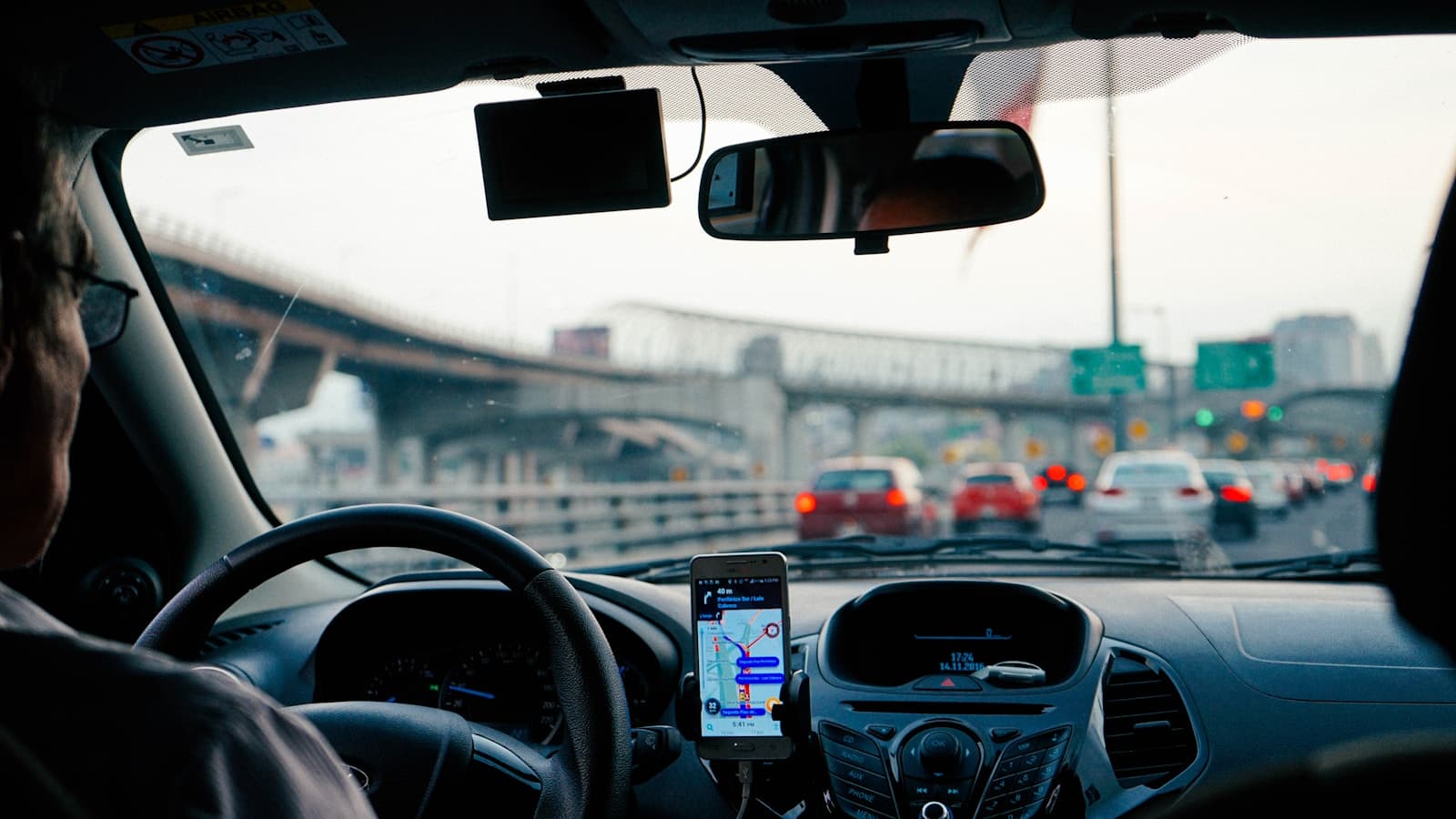
For 1099 contractors driving their own vehicle for gig work, a standard personal auto policy with SR-22 endorsement covers commute and non-commercial personal use. It does not cover commercial activity—delivering food, transporting passengers for hire, hauling client materials. If you're caught in an accident during a DoorDash delivery with only personal coverage, your insurer will deny the claim. You need a commercial or hybrid policy, which costs significantly more and complicates SR-22 filing because fewer carriers write commercial SR-22 policies.
Non-owner SR-22 policies cover drivers who don't own a vehicle—relevant if you rent cars, borrow vehicles, or use gig-platform vehicles. Non-owner policies provide liability coverage when you drive any car not owned by you. Some gig workers use non-owner SR-22 to satisfy the state filing requirement, then rely on the platform's commercial insurance when actively working. This creates coverage gaps. Verify your platform's policy covers you during logged-in waiting periods, not just active trips.
Typical SR-22 policy cost for a contractor with a DUI suspension: $140 to $220 per month for personal coverage in standard-risk states. Commercial or rideshare-hybrid policies run $200 to $400 per month depending on driving record and state. The SR-22 filing fee itself is $25 to $50 one-time. High-risk carriers that write policies for suspended drivers include The General, Bristol West, Acceptance Insurance, and Direct Auto. Not all write commercial or hybrid policies—ask specifically whether your gig work activity is covered before binding.
States That Do Not Offer Work-Purpose Hardship Licenses
New Jersey, Delaware, and Michigan do not issue hardship or restricted licenses for any purpose. If your license is suspended in these states, you cannot drive legally until the full suspension term ends and you complete reinstatement requirements. The only exception in Michigan is for first-offense DUI cases after serving a minimum suspension period—restricted licenses are available for that specific population, not for other suspension causes.
Pennsylvania offers Occupational Limited Licenses, but eligibility excludes drivers suspended for driving uninsured or accumulating points. If your 1099 work led to an uninsured-vehicle suspension—common among gig workers who let personal coverage lapse—Pennsylvania will not issue a work-restricted license. Washington similarly restricts Occupational Restricted Licenses and excludes points-accumulation suspensions.
If you work in a no-hardship state and your income depends on driving, the options narrow to: relocation to a state offering hardship licenses, job restructuring to eliminate the driving requirement, or arranging alternative transportation through another licensed driver. Some contractors shift to delivery zones reachable by bicycle or public transit. Some move temporarily to a neighboring state with better hardship-license rules, establish residency, and apply there. Harsh, but legal—suspension is a state-level action, and moving changes which state's rules govern your eligibility.
How to Find SR-22 Coverage That Covers Your Multi-Client Work Setup
Start by distinguishing which of your income sources require commercial coverage and which fall under personal use. If you drive for Uber or Lyft, you need rideshare-endorsement or hybrid coverage explicitly covering Transportation Network Company activity. Standard personal policies exclude paying passengers. If you deliver food or packages, some insurers treat that as incidental and cover it under personal policies with a delivery endorsement. Others require commercial.
Call carriers that specialize in high-risk and non-standard auto insurance: The General, Bristol West, Acceptance, Direct Auto, Freeway Insurance, Infinity, Alliance United, National General. Explain your suspension cause, your gig work setup, and your need for SR-22 filing. Ask whether their policy covers you during logged-in platform time, during delivery or service trips, and during personal errands. Get the answers in writing—many claims are denied because drivers misunderstood verbal assurances.
If no standard or hybrid policy will cover your full work scope, split your coverage: carry a personal SR-22 policy to satisfy the state filing requirement and the hardship-license insurance mandate, then purchase a separate commercial or gig-work policy to cover your income activity. Yes, this means paying for two policies. The alternative is driving uninsured during work trips, which exposes you to uncovered liability and a second uninsured-driving charge if you're stopped.
Some gig platforms offer occupational accident coverage or liability policies that activate when you're on-trip. DoorDash, Uber Eats, Instacart, and Lyft all provide some form of coverage during active work periods. Read the exact terms—most cover only the moments when you have an active delivery or passenger, not the time spent waiting or driving between jobs. Your personal SR-22 policy must cover those gaps.