What Affects Rates in Federal Way
- Federal Way sits along Interstate 5 between Tacoma and Seattle, making commute-route documentation critical for hardship approval. Washington DOL requires specific route descriptions in your employer verification letter. Drivers commuting to Seattle typically document the northbound I-5 route through SeaTac and into King County, while Tacoma-bound workers document southbound routes. Approved routes generally include your residential address to workplace address plus reasonable deviations for childcare or medical appointments if documented in advance.
- Washington requires a notarized employer letter confirming your work schedule, physical workplace address, job title, and statement that driving is essential to maintaining employment. Federal Way applicants working in Seattle or Tacoma should allow two weeks for employer HR departments to draft and notarize this letter. Some employers in King County refuse to provide verification letters due to liability concerns about employing restricted-license drivers, particularly in commercial driving roles.
- Washington DOL will not process your Occupational Restricted License application without confirmed SR-22 filing on record. Federal Way drivers must secure SR-22 insurance first, wait for DOL system confirmation, then submit the hardship application. The SR-22 filing alone takes 3–5 business days to appear in state systems. Factor this into your job-protection timeline if you have a specific return-to-work deadline from your employer.
- Pierce County Sheriff and Washington State Patrol enforce Occupational Restricted License terms strictly along I-5 and local Federal Way corridors. Approved hours typically cover your documented work shift plus 60 minutes before and after for commute time. Driving outside approved hours, even on the approved route, triggers immediate arrest for driving while suspended. Federal Way drivers caught on Pacific Highway South or other non-approved routes during off-hours face revocation of the hardship license and extension of the underlying suspension period.
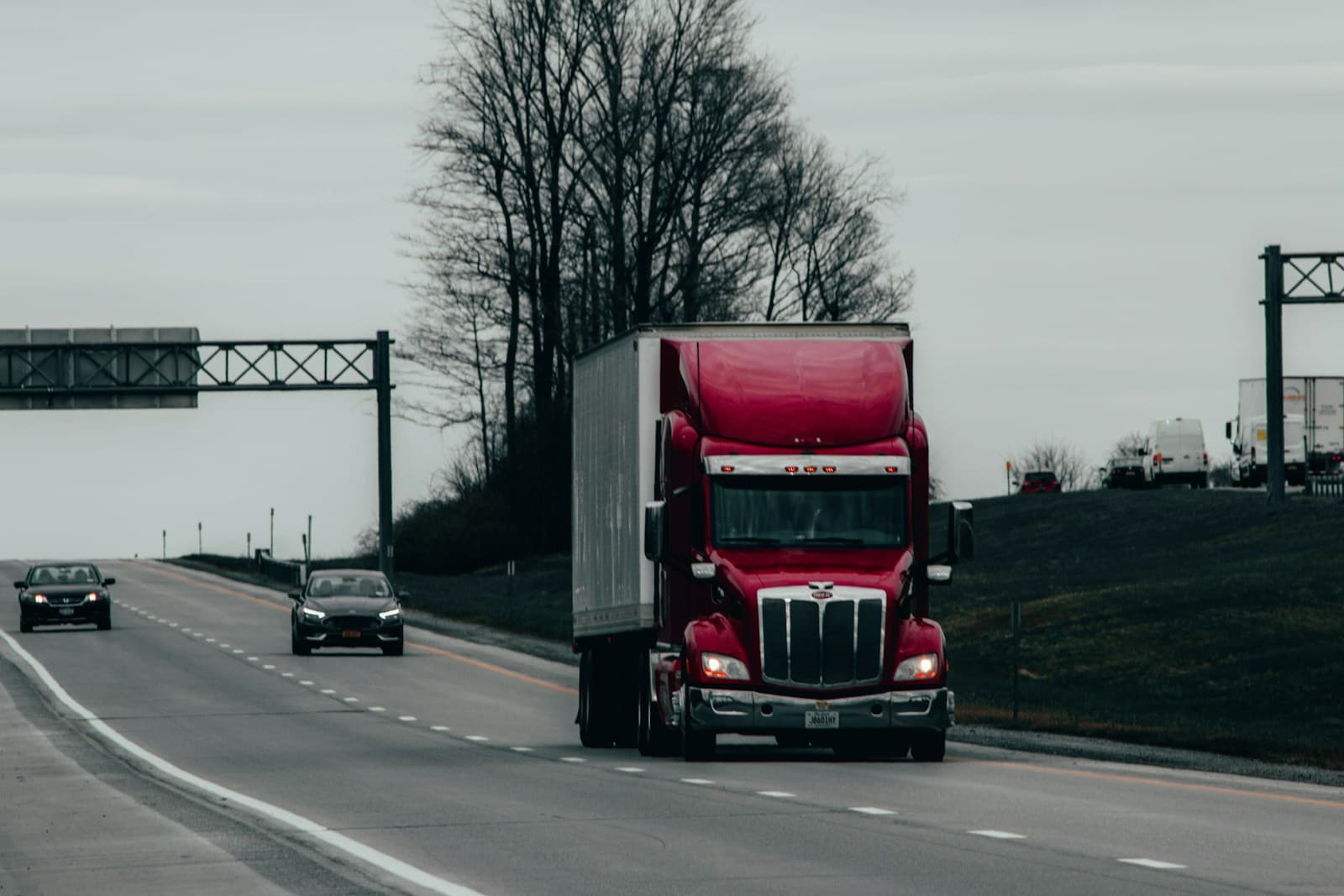
- Washington's Occupational Restricted License does not authorize commercial driving, even for work purposes. Federal Way CDL holders employed as delivery drivers, truck operators, or commercial transport workers cannot use the hardship license to operate commercial vehicles. Your personal-use hardship license covers only non-commercial driving to and from the workplace. If your job requires operating a commercial vehicle, the hardship pathway does not solve your employment problem.
Compare car insurance rates in your state
Get quotes from licensed carriers — no obligation, no spam, results in minutes.
Get Your Free QuoteCoverage Recommendations
Cost estimates are based on available industry data and vary by driver profile. These are not insurance quotes.
Employment-Hardship SR-22 Insurance
Federal Way applicants commuting to Seattle or Tacoma need SR-22 confirmation in DOL systems before hardship applications process, adding 3–5 days to approval timelines.
$140–$220/moEstimated range only. Not a quote.
Non-Owner SR-22 for Commuters
Federal Way workers using employer vehicles or carpooling under restricted licenses use non-owner policies to maintain SR-22 compliance without insuring a personal vehicle.
$60–$110/moEstimated range only. Not a quote.
Ignition Interlock SR-22 Coverage
Washington requires ignition interlock for all DUI suspensions before hardship approval, adding $75–$125/month device costs to Federal Way drivers' insurance expenses.
$215–$345/mo totalEstimated range only. Not a quote.
Commercial-Exclusion Personal Coverage
Federal Way CDL holders working delivery or transport jobs need personal policies excluding commercial use, since Washington hardship licenses never authorize commercial driving.
$140–$220/moEstimated range only. Not a quote.