Minimum Coverage Requirements in Oregon
Oregon operates under a tort liability system and requires continuous proof of financial responsibility—typically through SR-22 filing when a hardship license is granted. The Oregon Department of Motor Vehicles (DMV) administers hardship permits but does not use that specific term: you'll apply for a Hardship Permit under ORS 807.240, which allows driving for employment, medical appointments, and alcohol treatment. Hardship eligibility is tightly controlled—some suspension types automatically disqualify you for the first 30 to 90 days.
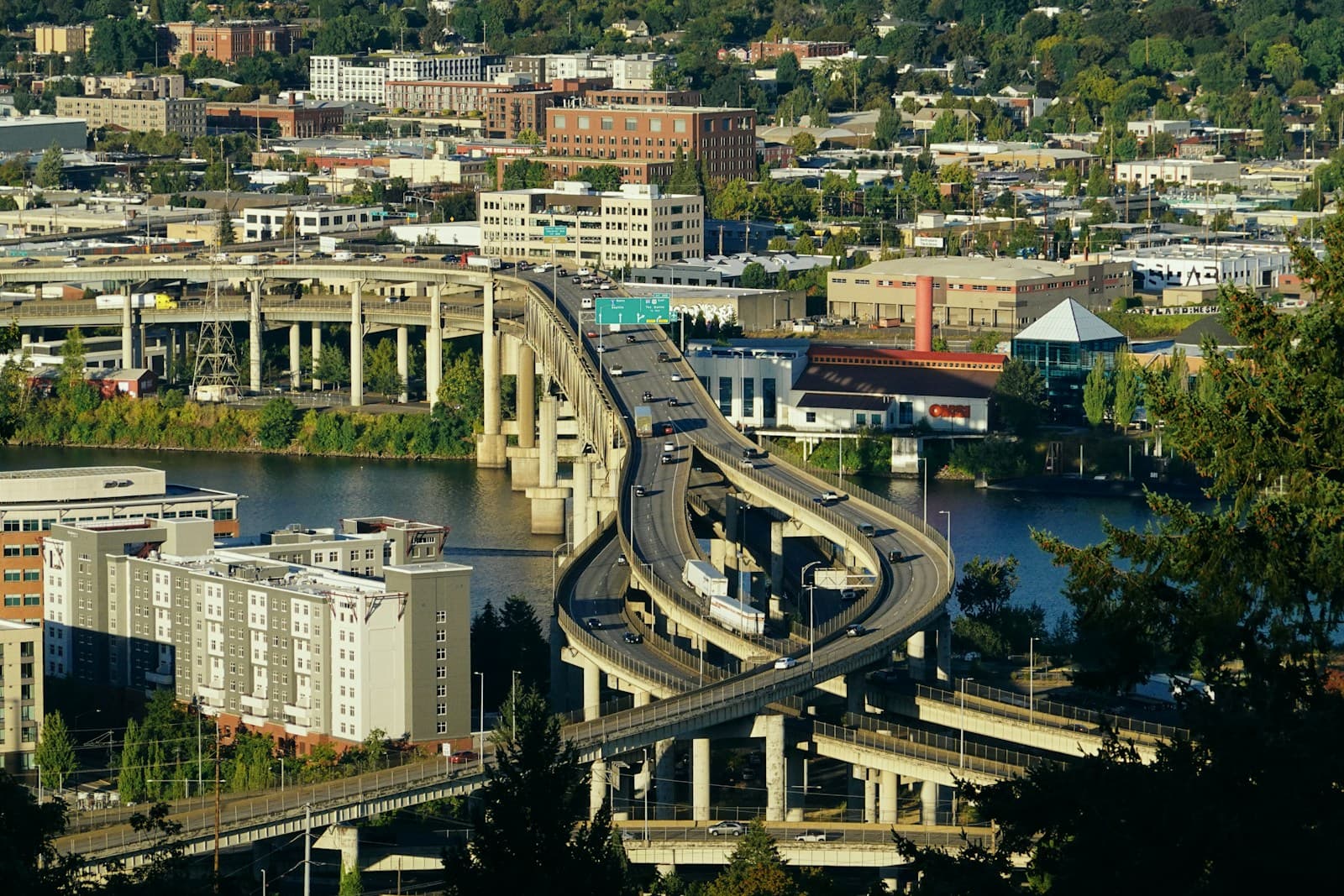
Meeting the state minimum keeps you legal. See whether it's enough — get your Oregon quote.
Get your Oregon quoteHow Much Does Car Insurance Cost in Oregon?
SR-22 filing adds $25-$50 to your total policy cost in Oregon, but the underlying suspension cause drives the premium increase—DUI suspensions typically triple your base rate, while uninsured driving violations double it. Oregon carriers price hardship-permit policies as high-risk from day one, and ignition interlock requirements add another $75-$150 per month in device costs that insurance doesn't cover.
What Affects Your Rate
- DUI suspensions in Oregon generate 200-300% rate increases at policy renewal, even with a hardship permit active—carriers treat the conviction as a continuous risk factor for 3-5 years.
- Portland Metro drivers pay 15-25% more than rural Oregon drivers for the same SR-22 coverage due to higher claim frequency and uninsured motorist rates in Multnomah County.
- Ignition interlock requirements add $75-$150 per month in rental and calibration fees—these are separate from insurance costs and must be paid regardless of how often you drive.
- Drivers over 55 with hardship permits for non-DUI suspensions (typically points or unpaid fines) see smaller rate increases—typically 50-80% above base rates rather than 200%+.
- Adding a second driver to your SR-22 policy increases premiums 40-60% in Oregon, but many hardship applicants need spousal coverage to maintain household transportation during restricted-license periods.
- Non-owner SR-22 policies cost $30-$60 per month in Oregon but provide no coverage for vehicles you own—only for employer-owned or borrowed vehicles during approved work hours.
Compare car insurance rates in your state
Get quotes from licensed carriers — no obligation, no spam, results in minutes.
Get Your Free QuoteCoverage Types
Employment-Hardship SR-22 Insurance
SR-22 filing is required for nearly all Oregon hardship permit holders and remains active for the full suspension period plus any extension. Your carrier must maintain continuous coverage and notify Oregon DMV immediately if your policy lapses.
Work-Restricted License Coverage
Oregon hardship permits restrict you to approved purposes—primarily work commute and job-related driving during work hours. Your insurance covers you during these approved periods, but driving outside permitted hours voids coverage and violates your hardship terms.
Non-Owner SR-22 for Commuters
Non-owner policies provide liability coverage when you drive vehicles you don't own—ideal for hardship applicants who use employer vehicles, carpool, or rely on family members' cars for work transportation. Oregon DMV accepts non-owner SR-22 filings for hardship purposes.
Commercial-Exclusion Personal Coverage
CDL holders face a critical limitation—Oregon hardship permits do not authorize commercial driving, even if your job requires a CDL. You can use a hardship permit to commute to a CDL-required job, but you cannot operate commercial vehicles under hardship terms.
Uninsured Motorist Coverage
Uninsured motorist coverage protects you when an at-fault driver has no insurance or insufficient limits to cover your damages. Oregon does not require this coverage, but approximately 14% of Oregon drivers are uninsured—among the highest rates in the Pacific Northwest.