
What Affects Rates in Baton Rouge
- Most Baton Rouge hardship permits restrict driving to the I-10 corridor east toward New Orleans or west toward Lafayette, and I-110 loop for in-city routes. Dense urban traffic and frequent construction delays on these highways increase accident risk, driving rates 30–35% above rural Louisiana averages. Carriers require specific route documentation from employers for underwriting approval.
- Louisiana requires a notarized employer letter confirming work address, shift hours, and commute necessity. Commission-based and gig workers face additional scrutiny because approved hours typically require fixed start and end times. Some employers refuse to provide verification letters due to liability concerns, ending the hardship pathway before application.
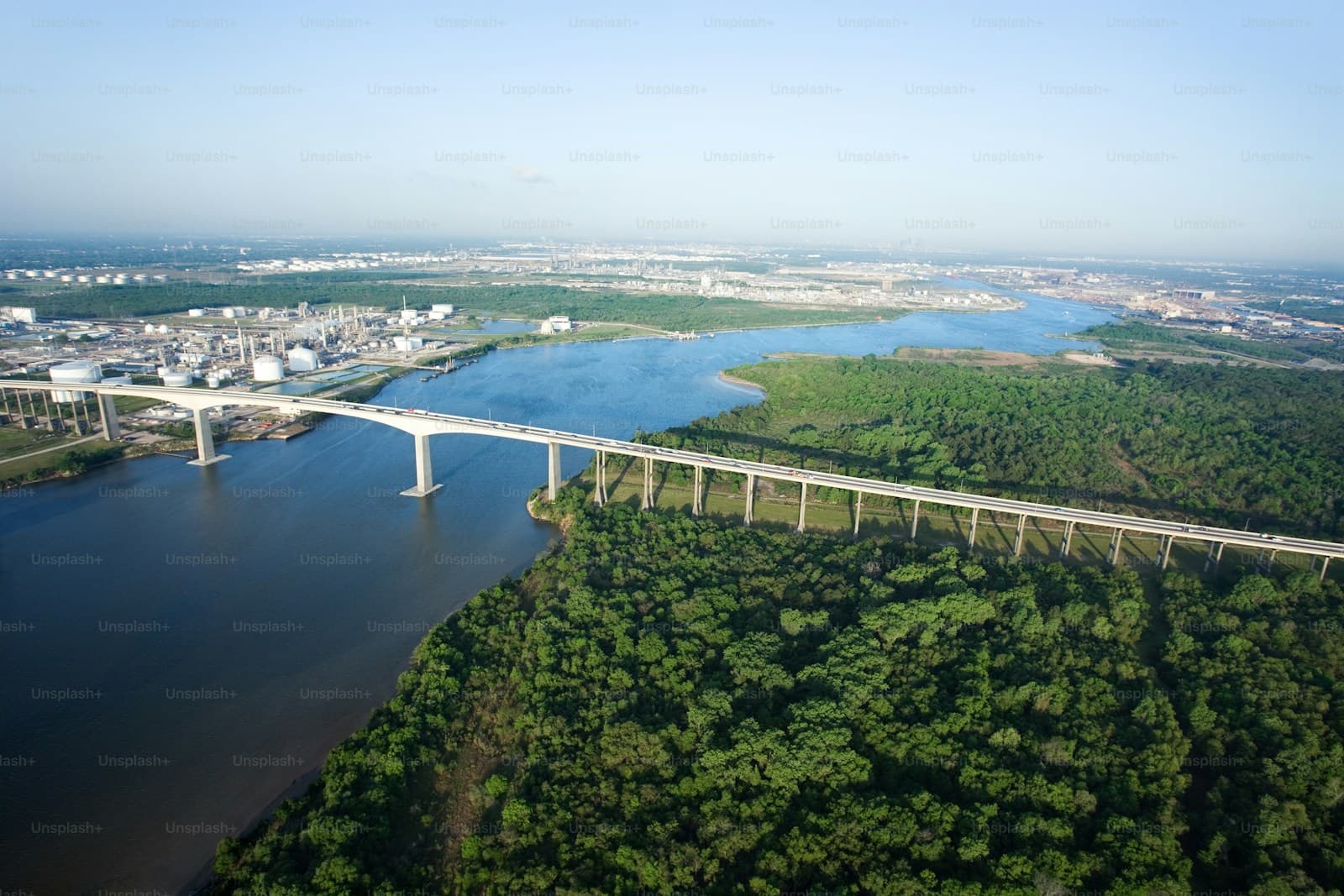
- Baton Rouge's petrochemical corridor employs thousands in shift work requiring CDL or facility access. Employment-hardship permits generally exclude commercial driving, meaning CDL holders cannot drive commercial vehicles even to reach the job. Port and refinery employers often deny hardship-restricted workers facility driving access, forcing job separation despite permit approval.
- Approximately 50% of West Baton Rouge Parish lost power during Hurricane Ida in August 2021, with widespread minor wind and roof damage. Hardship permit holders who missed work due to storm closures or lacked storm-damaged vehicle coverage risked permit revocation for non-compliance with employment documentation. Carriers now factor hurricane exposure into SR-22 pricing for coastal metro applicants.
- Baton Rouge police enforce hardship restrictions aggressively on weekends and after-hours near entertainment districts along Third Street and Government Street. A single stop outside approved work hours triggers automatic revocation, a Class D felony charge, and permanent hardship ineligibility. Many hardship holders lose permits within 90 days due to off-hours violations, not new offenses.
Compare car insurance rates in your state
Get quotes from licensed carriers — no obligation, no spam, results in minutes.
Get Your Free QuoteCoverage Recommendations
Cost estimates are based on available industry data and vary by driver profile. These are not insurance quotes.
Employment-Hardship SR-22 Insurance
Louisiana OMV requires SR-22 active before hardship application processing begins, meaning Baton Rouge applicants face 30–45 day delays if filing lapses.
$160–$280/monthEstimated range only. Not a quote.
Non-Owner SR-22 for Commuters
Port and refinery workers in Baton Rouge often use employer shuttle systems or carpool arrangements, making non-owner SR-22 the only viable hardship pathway.
$80–$140/monthEstimated range only. Not a quote.
Work-Restricted License Coverage
Baton Rouge hardship permits typically restrict I-10 eastbound to New Orleans employers or westbound to Lafayette refineries, requiring route-specific carrier underwriting.
$160–$280/monthEstimated range only. Not a quote.
Commercial-Exclusion Personal Coverage
Baton Rouge's petrochemical employers often require CDL for hiring but cannot allow hardship-restricted drivers to operate commercial vehicles on-site, creating coverage gaps.
$180–$320/monthEstimated range only. Not a quote.