What Affects Rates in South Bend
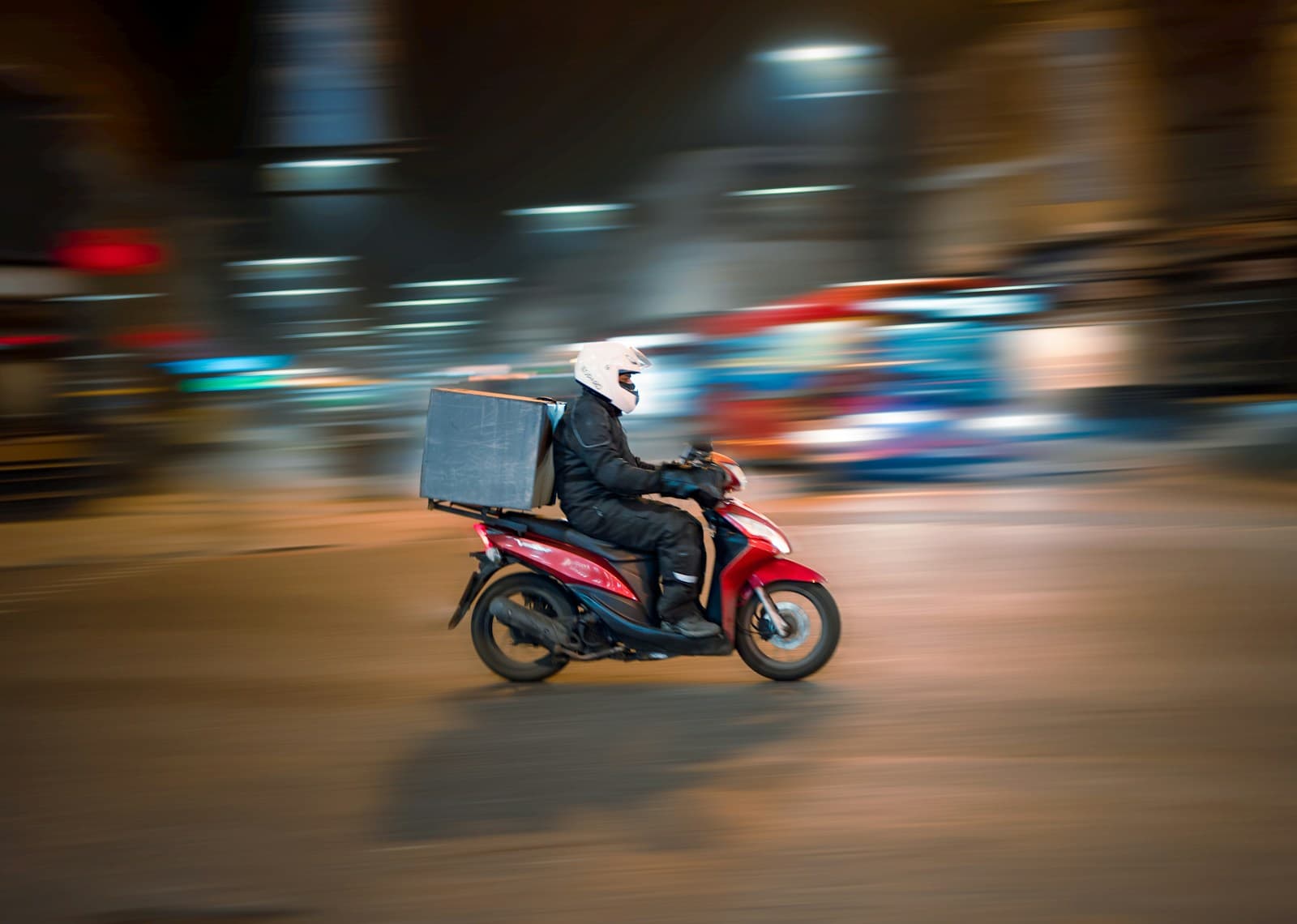
- South Bend's primary north-south employment artery carries workers from south-side residential areas to north industrial parks and Notre Dame. Your hardship application must document whether your commute uses US-31 bypass segments or surface streets through downtown, because Indiana BMV restricts non-work detours and the corridor offers multiple route options that look similar on a map but differ in approval likelihood. Employer letters must specify the entrance your workplace uses—north campus versus south industrial park locations change route approval significantly.
- South Bend retains significant manufacturing employment along Western Avenue and Bendix Drive industrial zones, with many positions running second and third shifts. Indiana hardship permits allow work-hours driving, but your employer verification must document exact shift times including any variability—a manufacturing role with rotating 6am/2pm/10pm shifts requires broader time-window approval than a standard 9-5 position. Carriers adjust SR-22 premiums based on late-night commute exposure, and South Bend's northwest industrial corridor has higher uninsured driver rates than east-side residential routes.
- Notre Dame institutional employment—facilities, food service, administrative roles—creates a hardship-application complication because campus borders stretch across multiple South Bend addresses and many positions require on-campus driving during work hours. Your employer letter must clarify whether your role requires movement between buildings or stays at one fixed location. Indiana BMV distinguishes between commute-only approval and during-work-hours approval, and multi-building campus roles often require the broader classification, which extends your SR-22 exposure window each workday.
- St. Joseph County experienced 7 winter storm events and 2 blizzard events in the last five years, including a December 2022 multi-day blizzard that closed portions of the Toll Road and left many secondary roads impassable. Indiana hardship permits do not automatically excuse missed work due to road closures, and your employment-restricted license prohibits non-work errands even during weather events. South Bend carriers factor winter commute exposure into SR-22 premium calculations—northeast and northwest commute routes experience higher weather-related claim frequency than central-city routes with better snow removal infrastructure.
- South Bend's logistics and distribution employment sector includes many CDL positions—warehouse delivery drivers, regional trucking roles, LTL terminal operations near the Toll Road corridor. Indiana hardship permits do not cover commercial vehicle operation even for employment purposes. If your suspended license stems from a personal vehicle violation but you hold a CDL for work, your hardship permit allows you to commute to the trucking terminal in your personal vehicle but not to operate the commercial vehicle once there, which typically results in immediate job loss regardless of hardship approval.
Compare car insurance rates in your state
Get quotes from licensed carriers — no obligation, no spam, results in minutes.
Get Your Free QuoteCoverage Recommendations
Cost estimates are based on available industry data and vary by driver profile. These are not insurance quotes.
Employment-Hardship SR-22 Insurance
South Bend's BMV processing requires employer verification letters documenting exact work address and shift times before route approval—carriers begin SR-22 filing immediately but your hardship license wait depends on complete employer documentation.
$160–$280/monthEstimated range only. Not a quote.
Work-Restricted License Coverage
South Bend commute corridors crossing St. Joseph County and Mishawaka boundaries require precise route mapping in your hardship application, and carriers adjust premiums based on whether your documented route uses high-claim corridors like US-31 or lower-density residential streets.
$140–$250/monthEstimated range only. Not a quote.
Non-Owner SR-22 for Commuters
South Bend manufacturing and healthcare employers sometimes provide fleet vehicles for shift workers, and non-owner SR-22 allows hardship-license approval without requiring you to own the vehicle you commute in—common for night-shift positions with employer-provided transportation.
$90–$160/monthEstimated range only. Not a quote.
Commercial-Exclusion Personal Coverage
South Bend's logistics employment sector means many suspended drivers hold CDLs for warehouse or trucking positions but cannot use hardship permits for commercial driving—this coverage allows personal-vehicle commute to the job site even though you cannot operate commercial vehicles once there.
$170–$300/monthEstimated range only. Not a quote.