Idaho Work License After Suspension: Get Back on the Road

Idaho offers a restricted driving permit for work and essential travel during most license suspensions. Approval typically takes 7-14 days and requires proof of SR-22 insurance, employer verification, and ignition interlock installation for DUI-related suspensions. Permits allow driving to and from work, during work hours, and for medical appointments within approved hours.

Compare Idaho Auto Insurance

Non-Standard Auto · SR-22 · Senior · Teen Drivers

Traffic control worker in safety vest directing traffic on road with orange cones, viewed from inside vehicle
Quotes from state-licensed insurance professionals
Licensed Agents Only
Free to request, no commitment required
No Obligation
No cost to you
Free to Use
Your contact information is protected
TCPA-Compliant
Updated July 2026

Minimum Coverage Requirements in Idaho

Idaho operates under a traditional tort liability system and requires all drivers to carry minimum liability coverage of 25/50/15: $25,000 per person for bodily injury, $50,000 per accident for bodily injury, and $15,000 for property damage. Drivers with suspended licenses seeking work-restricted permits must file SR-22 proof of financial responsibility with the Idaho Transportation Department before permit approval. The state requires ignition interlock device installation for all DUI-related suspensions, including those applying for restricted driving privileges.

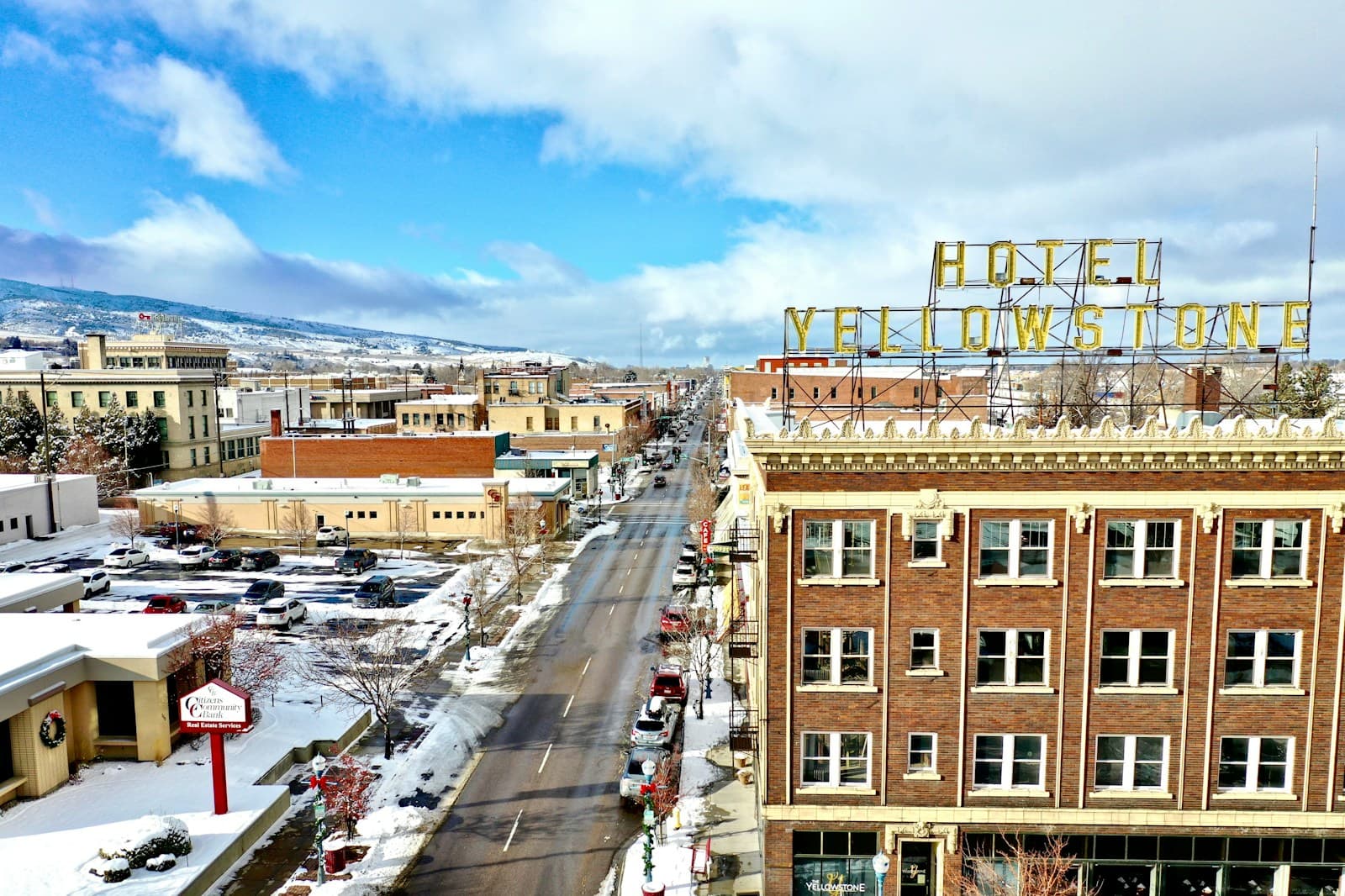
Idaho cityscape and street view
25/50/15 minimum liability
SR-22 Insurance Filing
SR-22 is not a separate insurance policy but a certificate your insurer files directly with the Idaho Transportation Department proving you carry at least minimum liability coverage. The filing fee from your carrier typically runs $25-$50, but the premium increase from being classified as high-risk averages $80-$140 per month above standard rates. Idaho requires continuous SR-22 coverage for the entire suspension period — any lapse triggers automatic license re-suspension and restarts your filing clock, which means your employer verification and restricted permit application process begins again from day one.
25/50/15 minimum liability
Non-Owner SR-22 Policy
If you do not own a vehicle but need a restricted permit to drive an employer's vehicle or a family member's car to work, a non-owner SR-22 policy provides the required liability coverage and filing without insuring a specific vehicle. Premiums typically run $40-$80 per month for drivers with clean records but increase to $90-$160 per month for DUI or multiple-violation cases. Non-owner policies do not cover the vehicle itself — only your liability if you cause an accident — so the vehicle owner's policy remains primary for physical damage coverage.
25/50/15 state minimum
Liability Insurance
Idaho's 25/50/15 minimum liability requirement is among the lowest in the country and covers less than the average injury claim in a serious accident. A single night in an Idaho hospital can exceed $25,000, which means the state minimum bodily injury limit per person is exhausted before most injury claims are resolved. Drivers carrying only minimum coverage face personal liability for any damages exceeding policy limits, which can result in wage garnishment and asset seizure if a judgment is entered against you.
Required for DUI-related permits
Ignition Interlock Coverage
Idaho mandates ignition interlock device installation for all DUI-related restricted driving permits, even for first-time offenders. Installation costs $75-$150, monthly monitoring and calibration fees run $60-$90, and removal costs another $50-$75 at the end of your restriction period. Some insurers offer ignition interlock compliance discounts that reduce premiums by 5-10% once you provide proof of installation, but most do not apply the discount until you have completed at least 90 days of clean monitoring reports with no failed start attempts.
Lender-determined limits
Full Coverage for Financed Vehicles
If your vehicle is financed or leased, your lender requires comprehensive and collision coverage in addition to liability and SR-22 filing. Restricted permit holders with DUI suspensions face combined premiums of $220-$380 per month for full coverage plus SR-22 in Idaho, and lenders will repossess the vehicle if coverage lapses even during a restriction period. Some lenders will not finance drivers with active ignition interlock requirements due to liability concerns, so verify your loan agreement allows IID installation before applying for a restricted permit.
State-Mandated Minimum Coverage · Idaho

Idaho Minimum Coverage

CoverageMinimum
Bodily Injury (per person)$25,000
Bodily Injury (per accident)$50,000
Property Damage$15,000

License Reinstatement Fee$25

Meeting the state minimum keeps you legal. See whether it's enough — get your Idaho quote.

Get your Idaho quote

How Much Does Car Insurance Cost in Idaho?

Idaho restricted permit holders pay both the underlying premium increase from their violation and the SR-22 filing surcharge. DUI offenders see the largest impact — premiums increase 140-180% above standard rates — while points-related and uninsured-driving suspensions increase rates 60-100%. Urban drivers in Boise and Meridian pay 15-25% more than rural drivers due to collision frequency and theft rates.

What Affects Your Rate

  • DUI suspensions trigger premium increases of 140-180% above standard rates, with the increase persisting for 3-5 years after SR-22 filing ends.
  • Ignition interlock device installation and monitoring add $75-$125 per month in out-of-pocket costs separate from insurance premiums.
  • Drivers under age 25 with restricted permits pay 30-50% more than drivers over 25 due to actuarial risk tables treating young high-risk drivers as the highest-loss category.
  • Boise and Meridian drivers pay premiums 20-25% higher than drivers in Idaho Falls or Pocatello due to collision frequency on I-84 and higher theft rates in Ada County.
  • Lapses in SR-22 coverage during your restriction period restart both your filing requirement and your permit application timeline, costing you weeks of lost work access.
  • Switching carriers mid-restriction requires the new carrier to file SR-22 before the old carrier cancels — a gap of even one day re-suspends your permit and employment driving privileges.
Minimum Coverage + SR-22
$110–$180/mo
State minimum 25/50/15 liability with SR-22 filing. Meets legal requirements for restricted permit approval but leaves you personally liable for damages exceeding policy limits.
Standard Coverage + SR-22
$160–$240/mo
50/100/50 liability limits with SR-22 and uninsured motorist coverage. Provides meaningful protection against injury claims and coverage for accidents caused by uninsured Idaho drivers, who represent approximately 7% of the state's driver population.
Full Coverage + SR-22 + IID
$220–$380/mo
Comprehensive, collision, 100/300/100 liability, SR-22 filing, and ignition interlock compliance monitoring. Required for financed vehicles and provides complete protection during your restricted permit period.

Compare car insurance rates in your state

Get quotes from licensed carriers — no obligation, no spam, results in minutes.

Get Your Free Quote
No Obligation Required Licensed Carriers Only Available Nationwide Free to Compare

Coverage Types

Employment-Hardship SR-22 Insurance

SR-22 filing is the proof-of-insurance certificate required before Idaho approves any restricted driving permit. Your carrier files it electronically with the Idaho Transportation Department, and any lapse triggers automatic permit cancellation.

Work-Restricted License Coverage

Restricted permits in Idaho allow driving to and from work, during work hours for job-related duties, and to medical appointments, grocery stores, and childcare within approved hours. Route and time restrictions are enforced — violations result in immediate permit revocation.

Non-Owner SR-22 for Commuters

Non-owner policies provide SR-22 filing and liability coverage for drivers who do not own a vehicle but need a restricted permit to drive an employer's vehicle, a family car, or rideshare vehicles to maintain employment.

Ignition Interlock Compliance Coverage

Idaho requires ignition interlock installation for all DUI-related restricted permits. The device prevents the vehicle from starting if alcohol is detected and logs all breath tests, which the Idaho Transportation Department reviews monthly.

Liability Insurance for Permit Holders

Idaho's 25/50/15 minimum liability is the baseline for restricted permit approval, but it leaves you personally liable for any damages exceeding those limits — which occurs in nearly every injury accident involving hospitalization.

Commercial-Exclusion Personal Coverage

If you hold a CDL and your job requires commercial driving, Idaho's restricted permit does not allow you to operate commercial vehicles even during approved work hours — your permit covers personal vehicle use only.
Frequently Asked Questions

Get Your Free Quote in Idaho