Minimum Coverage Requirements in California
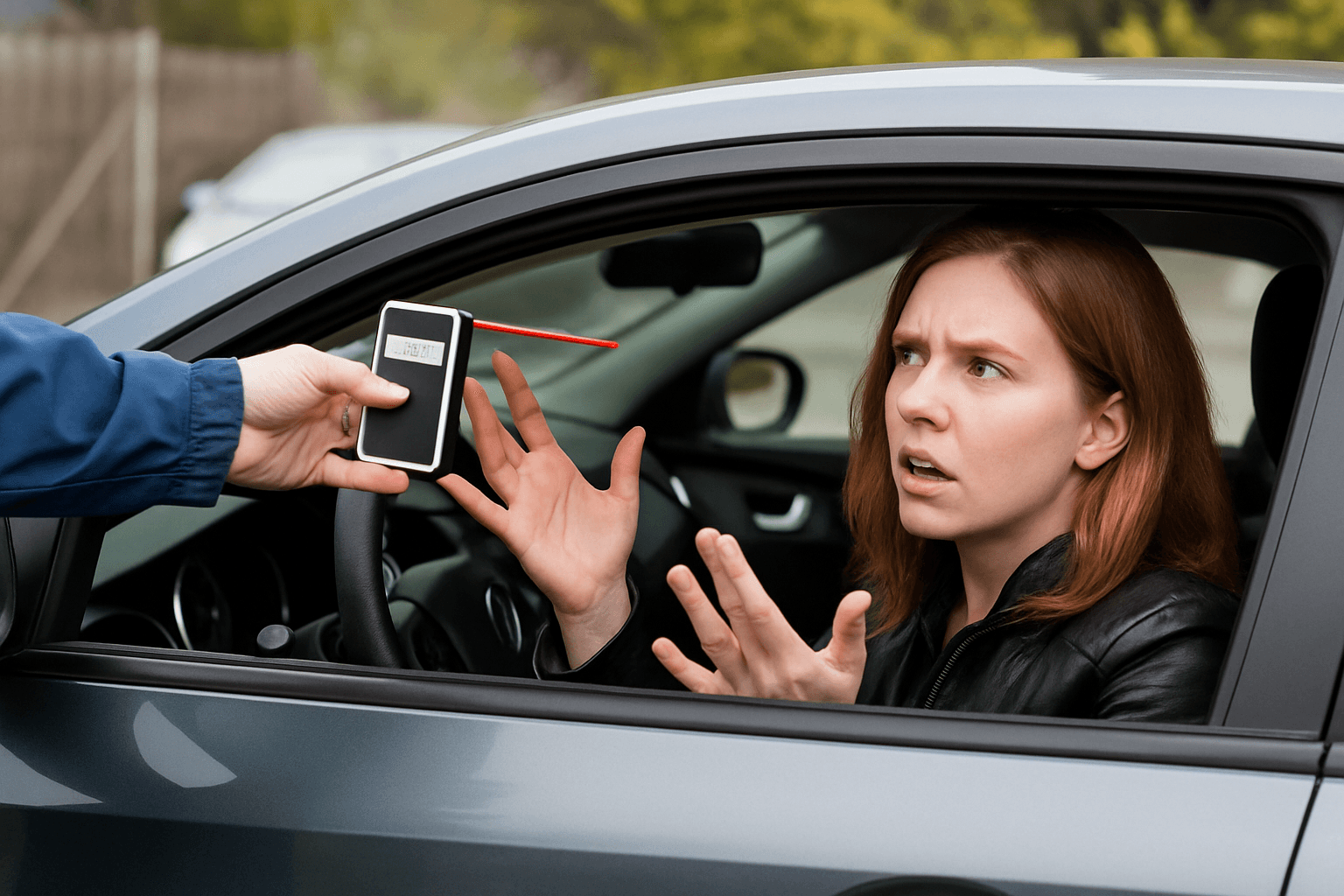
California operates under a tort-based fault system administered by the California Department of Insurance and Department of Motor Vehicles. Drivers must carry proof of financial responsibility at all times. Suspended drivers seeking work-restricted licenses must file SR-22 certificates and maintain continuous coverage for the full filing period, typically 3 years from the violation date.

Meeting the state minimum keeps you legal. See whether it's enough — get your California quote.
Get your California quoteHow Much Does Car Insurance Cost in California?
California SR-22 insurance for work-hardship drivers costs significantly more than standard policies due to suspension history and continuous monitoring requirements. Rates vary by underlying violation, driving record, vehicle type, and whether you need to reinstate a lapsed policy or maintain coverage post-suspension.
What Affects Your Rate
- DUI violations increase premiums 140–180% in California with SR-22 filing, and work-hardship drivers face additional scrutiny during the 3-year filing period.
- Los Angeles and San Francisco metro commuters pay 18–25% more than Central Valley drivers due to higher accident frequency and uninsured motorist claims.
- Drivers under 25 with suspended licenses pay an additional 30–50% penalty on top of SR-22 surcharges, and many standard carriers refuse coverage entirely.
- Vehicles financed through lenders require full coverage even on work-restricted licenses, eliminating the minimum-coverage cost option for most employed drivers.
- Employment verification letters documenting commute routes and work hours must be updated with the DMV if job location or shift changes, and premium adjustments may apply.
- Gap periods between suspension and hardship approval increase reinstatement premiums by 15–30% as carriers price in the lapse risk even if SR-22 is filed continuously.
Compare car insurance rates in your state
Get quotes from licensed carriers — no obligation, no spam, results in minutes.
Get Your Free QuoteCoverage Types
SR-22 Insurance for Work Licenses
State filing proving continuous coverage required for all California hardship licenses. Filed electronically by your carrier to the DMV and monitored continuously for lapses.
Non-Owner SR-22 for Commuters
Liability-only policy for suspended drivers who do not own a vehicle but need SR-22 filing to qualify for work-hardship licenses. Covers you when driving employer vehicles or rentals.
Liability Insurance
Covers bodily injury and property damage you cause to others. California's 15/30/5 minimum is required but insufficient for most California collision costs.
Uninsured Motorist Coverage
Protects you when hit by drivers without insurance. Must be offered by all California carriers and rejection requires signed written waiver at policy inception.
Commercial-Exclusion Personal Coverage
Personal auto policy with explicit commercial driving exclusion required when CDL holders seek work-hardship licenses for personal commute but not for CDL-required duties.