Alaska Work-Restricted License & SR-22 for Job Commute

Alaska requires 50/100/25 minimum liability coverage and SR-22 filing for most suspensions. A limited license for employment purposes allows commute driving during approved work hours, typically requiring employer verification and DMV application within your suspension period.

Compare Alaska Auto Insurance

Non-Standard Auto · SR-22 · Senior · Teen Drivers

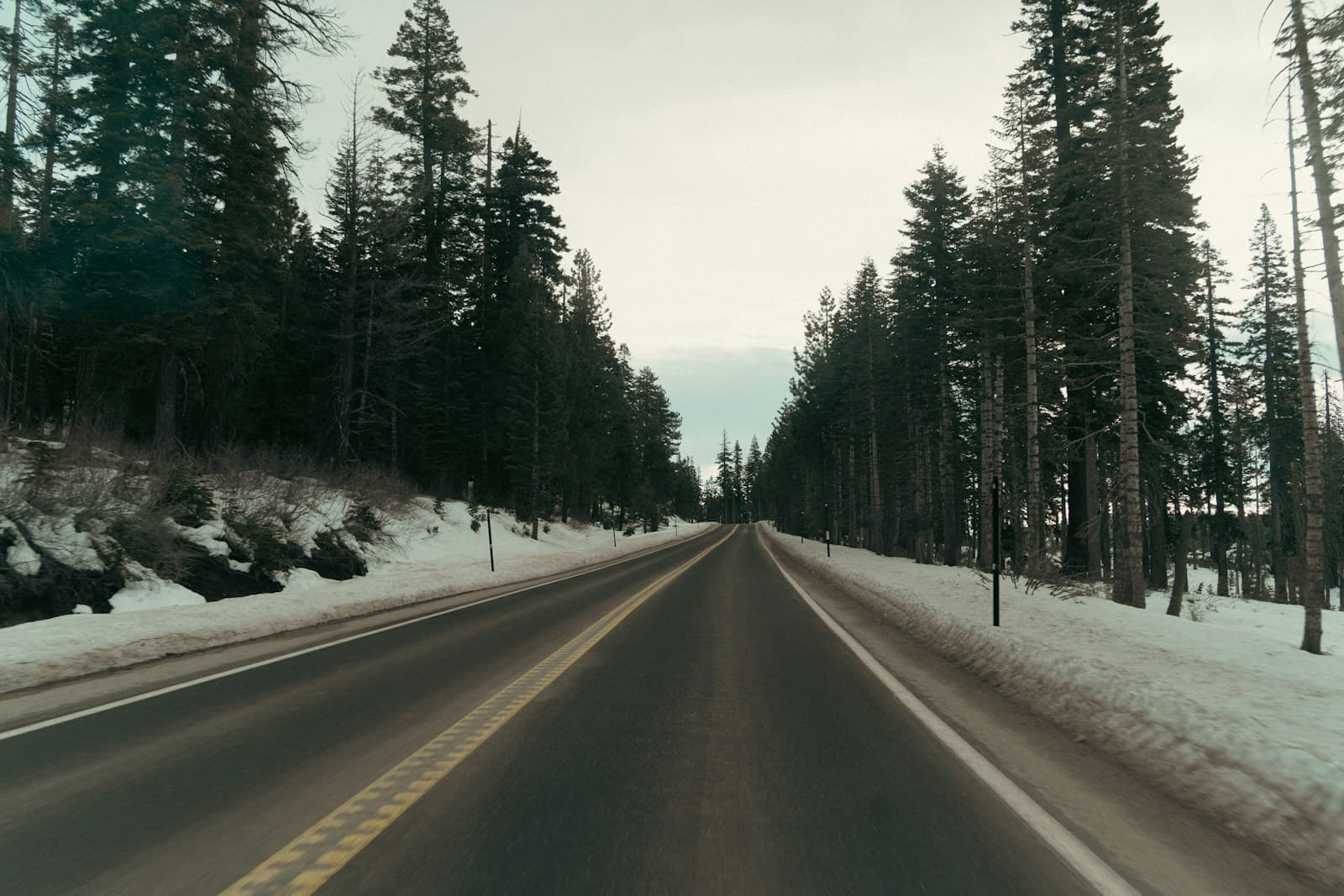
Snow-covered winter highway with evergreen trees lining both sides of the clear asphalt road
Quotes from state-licensed insurance professionals
Licensed Agents Only
Free to request, no commitment required
No Obligation
No cost to you
Free to Use
Your contact information is protected
TCPA-Compliant
Updated July 2026

Minimum Coverage Requirements in Alaska

Alaska operates under a tort liability system, meaning the at-fault driver's insurance pays for damages. The state requires proof of financial responsibility at registration and after any suspension. Drivers facing suspension for DUI, multiple violations, or uninsured accidents must file SR-22 certification with the Alaska Division of Motor Vehicles for the duration specified in their suspension order, typically three years.
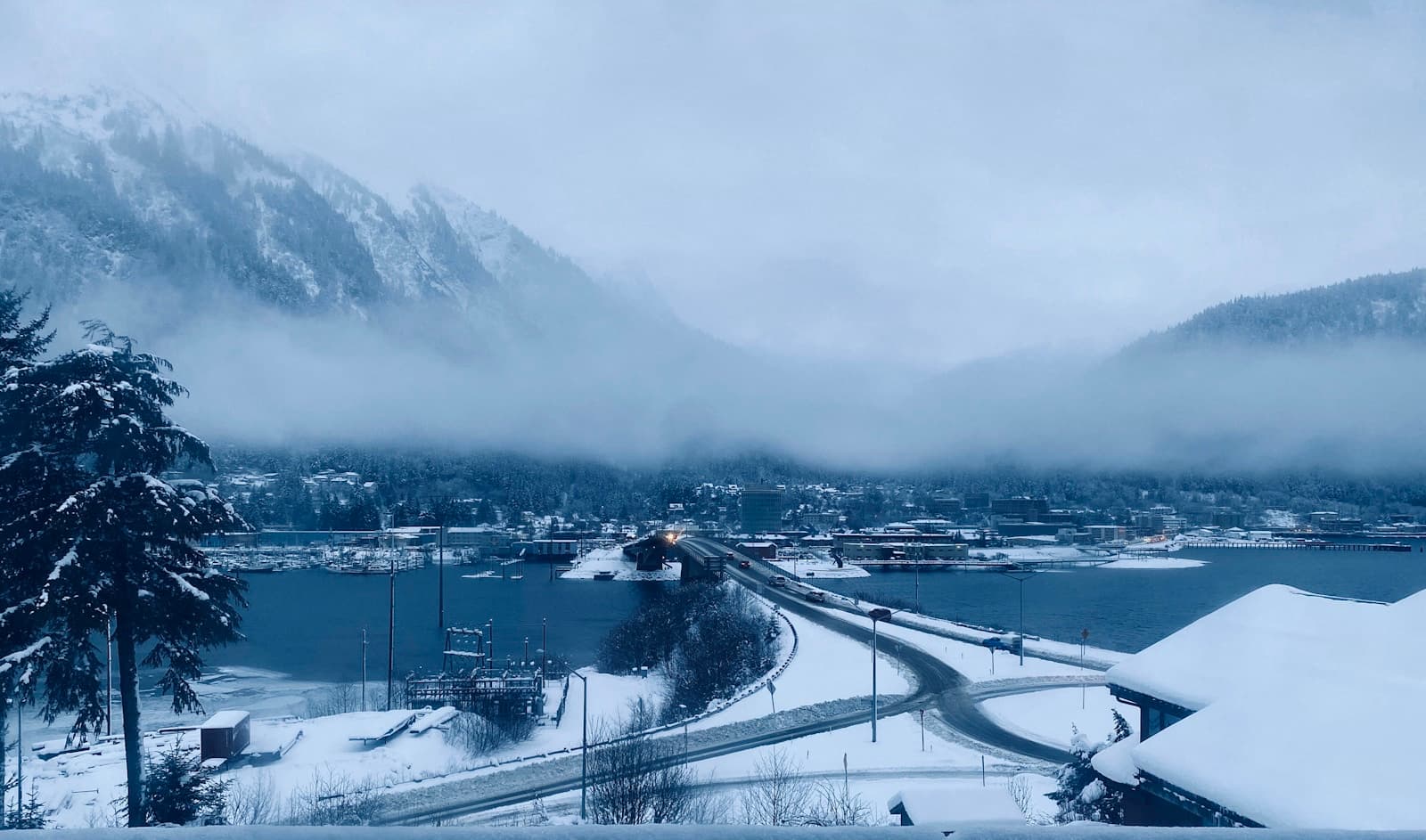
Alaska cityscape and street view
50/100/25
Liability Insurance
Alaska requires $50,000 per person, $100,000 per accident for bodily injury, and $25,000 for property damage. These minimums cover basic legal exposure but fall short in serious accidents—average hospital stays in Anchorage exceed $30,000. Drivers applying for work-restricted licenses must maintain continuous coverage at or above state minimums throughout their filing period, with any lapse reported directly to DMV within 24 hours by the carrier.
Required for 3 years
SR-22 Filing
SR-22 is not a coverage type but a certification form your carrier files electronically with Alaska DMV proving you carry at least state minimum liability. Filing is required after DUI convictions, uninsured accidents causing injury or property damage over $2,000, multiple violations within 12 months, or failure to pay judgments. The three-year clock starts from reinstatement date, not suspension date. If your policy lapses even one day, DMV receives automatic notification and your limited license is immediately revoked.
Meets 50/100/25
Non-Owner SR-22
Non-owner policies provide liability coverage when you drive vehicles you don't own and satisfy SR-22 filing requirements for work-restricted licenses. This is the standard path for Alaska drivers whose personal vehicle was repossessed, totaled, or surrendered after suspension but who need to drive employer vehicles or carpool to work. Premiums run $40–$80 monthly with SR-22 endorsement. The policy does not cover vehicles registered in your household.
Not required
Uninsured Motorist Coverage
Alaska does not mandate uninsured or underinsured motorist coverage, but carriers must offer it at policy inception. Rejection requires a signed waiver. Given Alaska's rural areas with limited law enforcement coverage and above-average uninsured driver rates in communities off the road system, this coverage protects you when the at-fault driver has no insurance or flees the scene. Work-restricted drivers cannot afford a second suspension from an uninsured accident claim, making this coverage strategically important even if legally optional.
State-Mandated Minimum Coverage · Alaska

Alaska Minimum Coverage

CoverageMinimum
Bodily Injury (per person)$50,000
Bodily Injury (per accident)$100,000
Property Damage$25,000

License Reinstatement Fee$100

Meeting the state minimum keeps you legal. See whether it's enough — get your Alaska quote.

Get your Alaska quote

How Much Does Car Insurance Cost in Alaska?

SR-22 filing adds $15–$50 to your six-month premium as a one-time carrier processing fee, but the underlying violation drives the real cost increase. Alaska rates for drivers with DUI or multiple violations typically run 70–140% higher than standard profiles. Remote locations, winter driving conditions, and limited carrier competition in rural Alaska further elevate premiums.

What Affects Your Rate

  • DUI convictions increase premiums 90–150% in Alaska, with higher increases in Anchorage and Fairbanks where carrier options are concentrated.
  • Rural addresses in communities off the road system face 20–40% surcharges due to limited repair infrastructure and higher theft rates.
  • Multi-violation suspensions (three or more moving violations in 12 months) trigger non-standard carrier assignment with premiums 60–110% above standard.
  • Winter months see higher comprehensive claims from wildlife collisions and ice damage, affecting renewal pricing for drivers with claims history.
  • Employment driving permits covering commercial vehicle operation (delivery, rideshare) require commercial endorsements adding $80–$200 monthly.
  • Continuous coverage history before suspension reduces post-reinstatement rates by 15–25% compared to drivers with coverage gaps.
Minimum Coverage
$150–$240/mo
State minimum 50/100/25 liability with SR-22 filing. No collision or comprehensive. Covers legal requirement for work-restricted license but leaves you financially exposed in any accident where you're at fault.
Standard Coverage
$210–$340/mo
State minimums plus uninsured motorist coverage and higher liability limits (100/300/50). Adds protection against uninsured drivers common in rural Alaska and provides margin above minimum in multi-vehicle accidents.
Full Coverage
$280–$480/mo
Comprehensive and collision added to standard liability package. Required if you have a vehicle loan. Protects against wildlife collisions, theft, and weather damage common in Alaska. Deductibles of $1,000 lower monthly cost but require cash reserves.

Compare car insurance rates in your state

Get quotes from licensed carriers — no obligation, no spam, results in minutes.

Get Your Free Quote
No Obligation Required Licensed Carriers Only Available Nationwide Free to Compare

Coverage Types

Employment Driving Permit Process

Alaska calls it a limited license and restricts it to driving for employment, education, medical appointments, and court-ordered obligations. You must submit employer verification on company letterhead stating your job requires driving, your work address, shift hours, and commute route.

Approved Routes & Hours

Your limited license restricts you to direct routes between home and work during a window 30 minutes before and after your shift. Detours for personal errands, even grocery stops on the way home, violate permit terms and trigger immediate revocation.

SR-22 Setup for Limited License

You must have an active SR-22 filing on record with Alaska DMV before applying for a limited license. The filing proves continuous coverage. Most carriers process SR-22 electronically within 24–72 hours, but rural Alaska addresses may require paper filing adding 7–10 days.

CDL Holder Restrictions

Alaska limited licenses for employment purposes do not authorize commercial vehicle operation. If you hold a CDL and your job requires driving commercial vehicles, the limited license covers your personal commute to the job site but not the commercial driving itself.

Ignition Interlock Requirement

Alaska requires ignition interlock devices (IID) on all vehicles you operate during a DUI-related suspension, including under a limited license. Installation costs $150–$300, monthly monitoring fees run $75–$100, and you pay for calibration every 60 days.

Employer Liability Concerns

Some Alaska employers will not retain employees on limited licenses due to vicarious liability exposure if you cause an accident driving a company vehicle or during work hours. Your employer's commercial auto policy may exclude drivers without full licenses, leaving the company exposed.
Frequently Asked Questions

Get Your Free Quote in Alaska